

Space for Women
Exhibition at the University Museum and University Library of Groningen (3rd floor)
April–June 2026
By Jojanneke Visscher
For over 110 years, women have been working as researchers and professors at the University of Groningen. For a long time, it was exceptionally difficult for them to break into the closed stronghold of the university. The University Museum and the University Library of Groningen are therefore opening an exhibition on 9 April in honour of the women who opened the doors for subsequent generations. My fellow student Madelief Huinink and I were fortunate to contribute to its organisation.
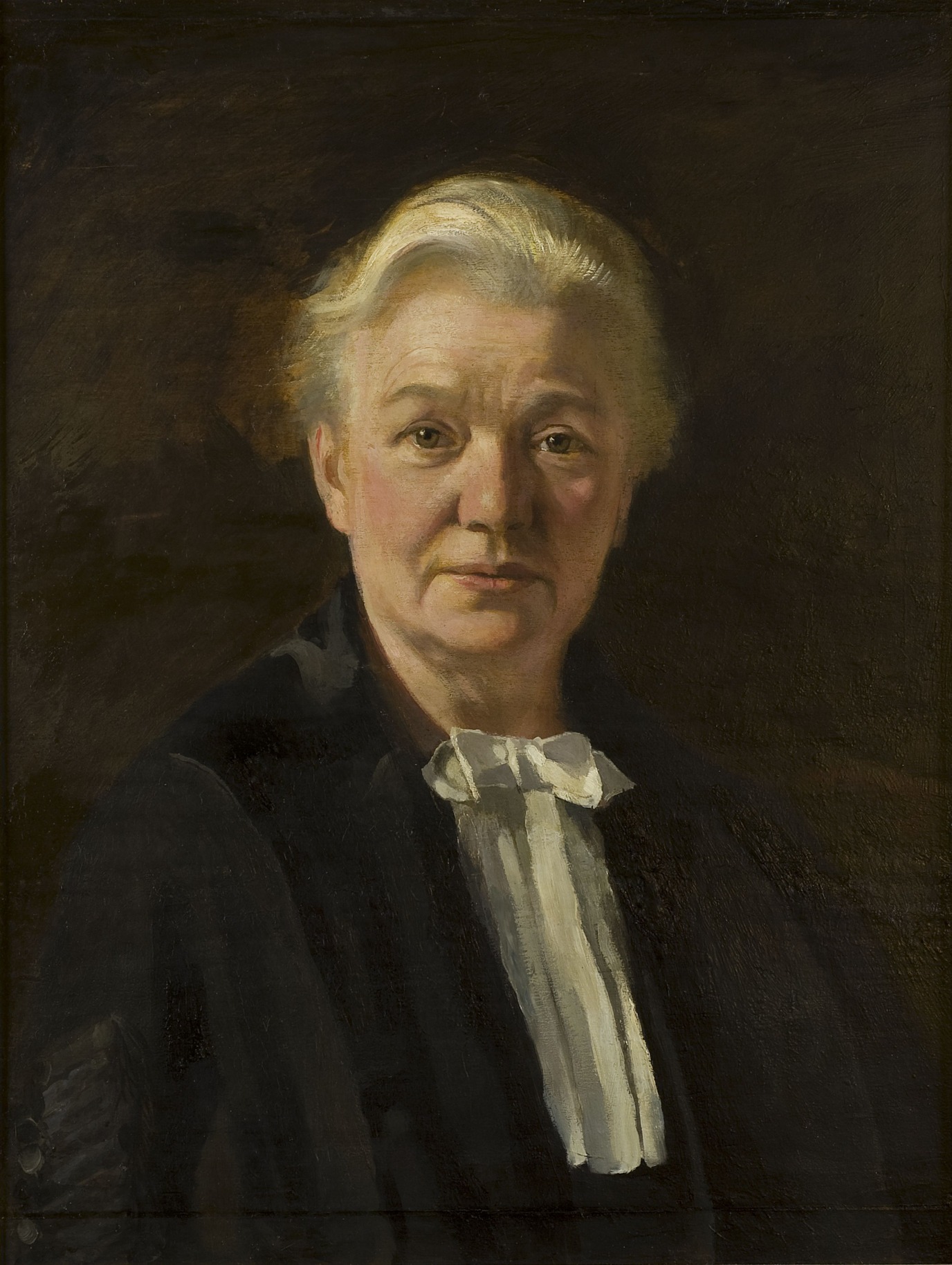
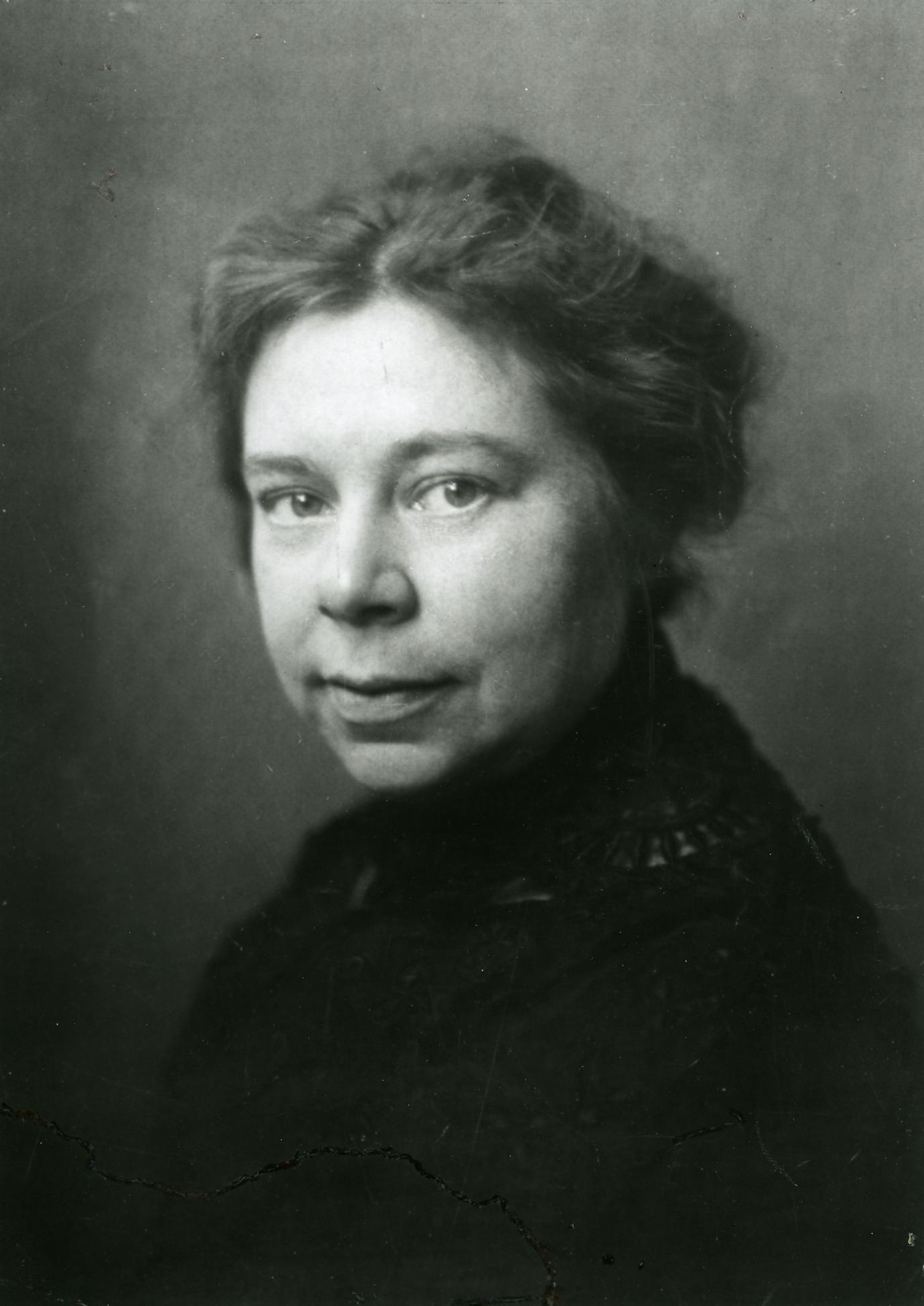
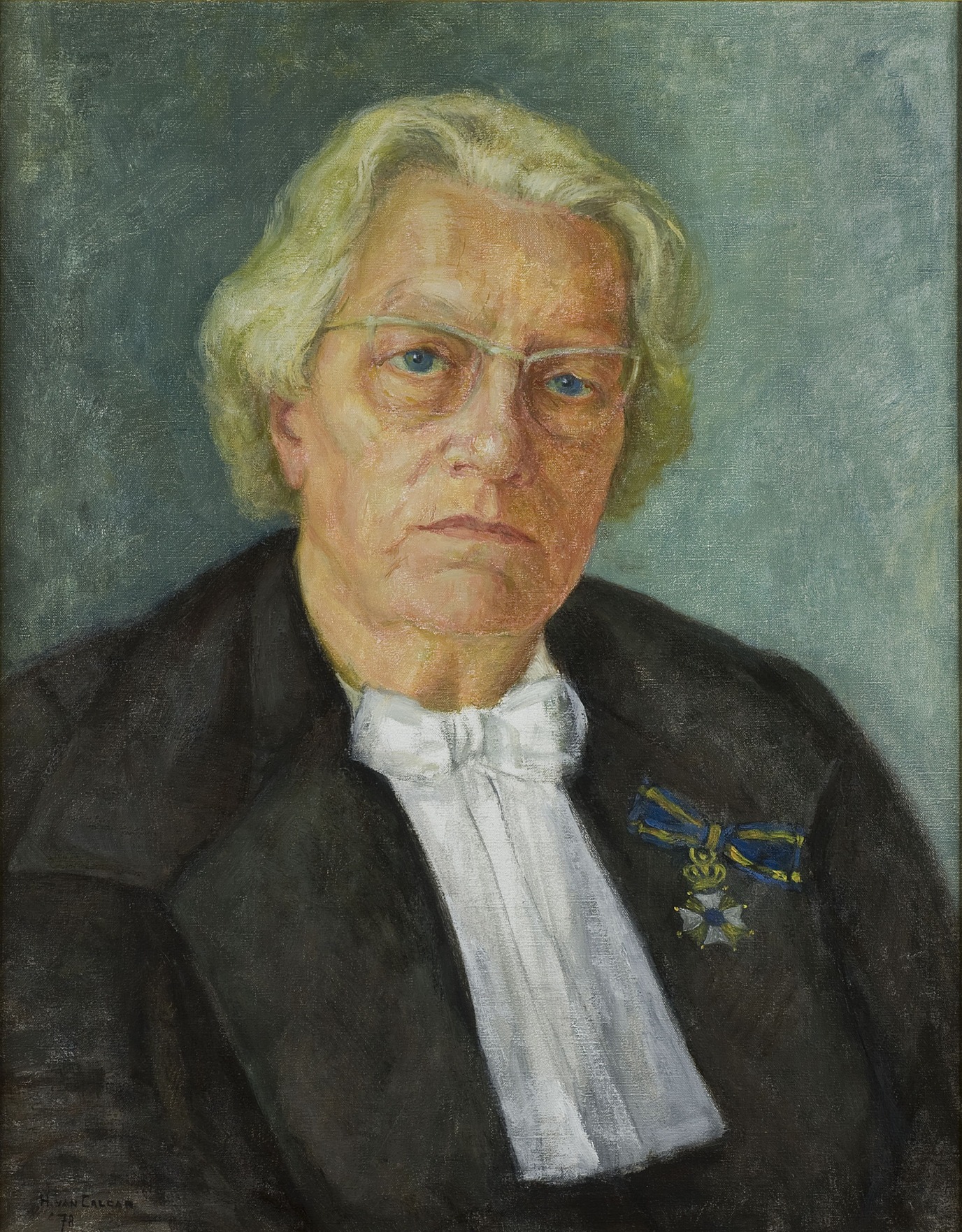
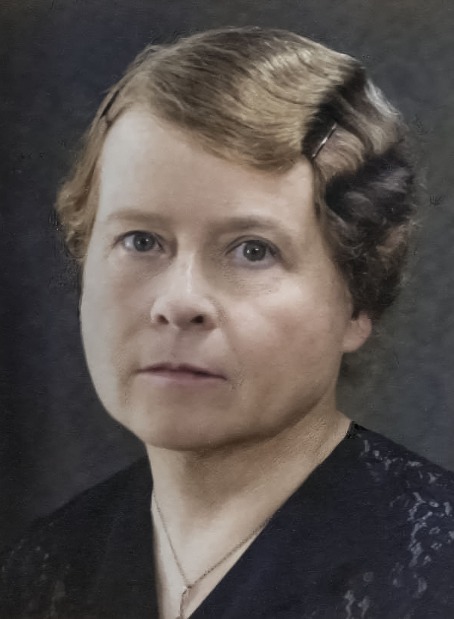
When a professor retires from the university, it is customary for an academic portrait to be painted in honour of their academic career. These portraits now hang in the Academy Building. Unfortunately, no academic portrait exists of Elisabeth Neurdenburg (1882–1957), art historian and second female professor at the UG. To keep her research alive in memory, Professor Ann-Sophie Lehmann and her students took the initiative for an open competition. The entries for this contest can be admired from 9 April 2026 in the exhibition The Academy Portrait at the University Museum.
To contextualise Neurdenburg's career, we chose to create an exhibition Space for Women in the University Library about three other female researchers. It took centuries before women were admitted to the UG as lecturers, and even longer before the first female professors took up their posts. This exceptional honour belonged to Jantina "Tine" Tammes (1871–1947), who became professor of genetics in 1919. Her name is already fairly well known among Groningen residents. The same cannot be said for many of her colleagues who began their academic careers later. Marie Loke (1870–1916) was the first female lecturer in the Netherlands. She was a specialist in French language and literature, but was not permitted to obtain her doctorate there because she lacked the required prior education. Wilhelmina Bladergroen (1908–1983) was a pioneer in special education, but her career was marked by various disputes about her leadership style.
Neurdenburg, Tammes, Loke and Bladergroen not only opened doors for female professors, but also for female students. My fellow student Madelief and I became involved in the organisation of this exhibition in February through our professor Ann-Sophie Lehmann. She offered us the opportunity to gain research experience working with collections and archives. We soon had a first meeting with the collections specialists leading the organisation of the exhibition, Martien Stege and David Veltman. Since then, we have been swept up in a whirlwind of conversations, meetings, and behind-the-scenes glimpses of one of the most varied historical collections in the north of the Netherlands. We were not only given the chance to observe the process, but became actively involved in it. This experience will undoubtedly benefit us in our future careers in the art history field.
Organising an exhibition — even a relatively concise one, such as Space for Women — involves a wide range of people. Curators, researchers, collections specialists and suppliers each contribute to the exhibition. As students, we had mostly read about these processes, but the practical reality is not always tangible in such texts. When we received the invitation from Professor Lehmann, it was not yet entirely clear what we as students could contribute to this network of people. But after a brainstorming session, we were able to begin with great enthusiasm. Our tasks turned out to be highly varied: we helped with scouting the location, reviewing potential objects, researching statistics, and writing exhibition texts. Throughout the process, you become emotionally involved with the exhibition subject. The group of women featured in the University Library have now become familiar role models for us, rather than vague names on the boards at the entrances to the lecture halls in the UL. As someone involved in the exhibition, my heart will now beat a little faster when I walk past the Marie Loke Room, read a text by Neurdenburg, hear about a new professor in the Tammes Chair, or come across an anecdote from a former student of Bladergroen.
Despite recent efforts to bring them into the spotlight, relatively little is generally known about the women at the UG. With the exhibition Space for Women, the museum aims to introduce students and other visitors to the pioneers who cleared the path for all women currently involved with the University. It was an honour for me, as a student, to have been able to make a small contribution.
More news
-
-
15 September 2025
Successful visit to the UG by Rector of Institut Teknologi Bandung
-