Een gezonde samenleving heeft goede journalistiek nodig. Hoe en waarom is de journalistiek zo aan het veranderen? Hoe maak je zelf onafhankelijke, betrouwbare en boeiende journalistieke verhalen?
Door de wol geverfde journalisten begeleiden je intensief bij het ontdekken, onderzoeken en vertellen van die journalistieke verhalen, binnen en buiten onze newsroom. Je leert crossmediaal te werken in tekst, beeld en geluid voor verschillende platforms: online, televisie, radio, print. Verdieping, specialisatie en een ondernemende houding zijn daarbij van groot belang. Zo kun je als professional aan de slag op een redactie of je eigen onderneming starten.
Je bestudeert hoe nieuwsmedia werken en in ontwikkeling zijn, wat onze journalistieke cultuur kenmerkt en hoe deze zich verhoudt tot bijvoorbeeld politiek en literatuur. Ook ontwikkelingen als globalisering, burgerschap en digitalisering komen daarbij aan bod. Je leert welke wetenschappelijke methodes en theorieën je het beste voor je onderzoek kunt gebruiken.
Dit programma heeft plaats voor max. 30 studenten. In het voorjaar doe je mee aan de selectieprocedure. Entreevoorwaarden: een bij aanvang van de master afgeronde universitaire bachelor en liefst een pakket van 30 ECTS uit de minor Minor Journalistiek (of vergelijkbare vakken aan een andere universiteit).
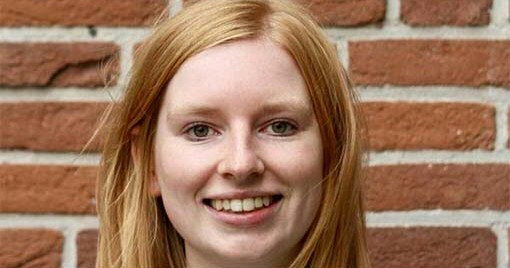
Mijn naam is Ingrid Woudwijk. Na mijn bachelor Media en Cultuur aan de Universiteit van Amsterdam ben ik in september begonnen aan de Nederlandstalige master Journalistiek aan de RUG. Het voordeel van deze master is dat het eerste half jaar heel breed is. Je bent in het begin veel aan het schrijven, maar daarna ga je ook bezig met beeld en geluid. Als je net zoals ik nog niet weet waarin je je wil specialiseren, dan is het heel fijn om van alle disciplines iets mee te krijgen, voordat je die uiteindelijke keuze maakt.
Je krijgt veel praktijkles, iets wat ik bij mijn bachelor soms miste. Naast de drie dagen praktijklessen, verdiep je je ook in de theorieën die met journalistiek te maken hebben. Op maandag hebben we een college en een werkgroep. Dinsdag is een zelfstudiedag, die je ook wel echt nodig hebt. Het is dus een drukke studie. Het is iets drukker dan ik verwachtte door de vele opdrachten die je moet doen. Desondanks vind ik het wel erg leuk en leerzaam, en zou ik de opleiding zeker aanraden als je journalistieke ambities hebt.
De mastertrack Journalistiek heeft, samen met de mastertrack Journalism, maximaal 60 plaatsen per jaar en kent alleen een startmoment in september. Vanaf januari begint de selectieprocedure, tot 1 mei. Nadat je je hebt opgegeven, ontvang je de selectietoetsen. Je hebt 5 werkdagen de tijd om deze te maken en in te sturen, samen met je aanmeldingsdossier. De Toelatingscommissie beslist of je rechtstreeks kunt worden toegelaten of dat je eerst een premasterprogramma moet doen. Soms houdt de Toelatingscommissie een aanvullend gesprek met kandidaten. Aanmelden voor de toelatingsprocedure kan via deze link.