Overview
The Eurocompetence component (Euroculture modules and internship), with special attention to the highest quality integration of academic and professional training, is an integral part of the MA Programme Euroculture and aims to provide Euroculture students with knowledge and skills to achieve a new level of competence in their professional life.
The Eurocompetence component focuses on the cultural relations between Europe and the wider world and aims to
enhance the employability
of the graduates by providing preparation for the professional world after graduation. Because of the combination of academic and professional education, the Master of Arts Programme in Euroculture represents an
innovative step
with regard to a commitment to professional engagement as well as the conveying of knowledge to specialist and non-specialist audiences.
Within the Eurocompetence component two elements are distinguished:
-
Eurocompetence modules characterized by an interdisciplinary approach, problem-orientation and project organization with a workload of 15 ECTS
-
An internship in European affairs related organization and institutions such as embassies, ministries of education and culture and other international, European or regional organizations (15 ECTS-credits).
The
main competences
of this component includes:
-
project design and management
-
the ability to work in an interdisciplinary team
-
management skills: decision-making, motivation
-
capacity for applying knowledge into practice
-
capacity for self-analysis: ability to accept and give critical constructive feedback,
-
awareness of one's own competency profile
-
ability to work in an international context
-
capacity to adapt to new situations
More about Eurocompetences
The partner universities have all agreed upon the competences that the graduates should gain through this component. It includes the following preparation, which are integrated into various workshops:
Skills preparation:
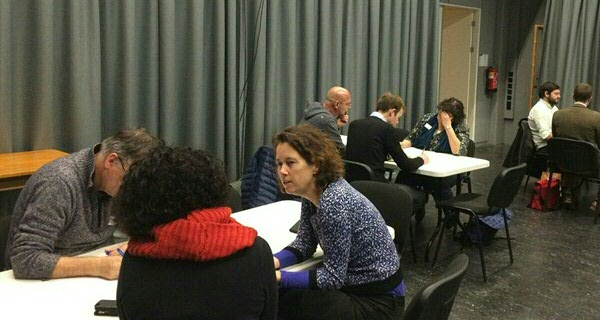
- Special workshops for Euroculture students in the following areas: presentation, time management, public speaking, etc. This will provide students with the opportunity to gain skills that they may have not acquired already or to advance their own (basic) skills. Since the successful completion of the Eurocompetence component (and thus the MA programme) requires students to implement these skills, taking part in these workshops is strongly recommended.
Content preparation:
- Group and individual advice & discussion with faculty and students from different disciplines on methodology, content of the courses and on the area in which the student is planning to write his/her MA thesis. The goals of this type of preparation are:
1. To assist students in generating interesting and feasible questions for the final thesis, and
2. To tune research/analysis skills so that each student is able to write a high-quality MA thesis.
Students will be encouraged to choose an area of specialization early and to write the IP paper as preparation for the MA thesis. Faculty should identify and assist in overcoming individual problems or trouble spots.
Context preparation:
- European professionals will be contacted to help students generate ideas and to relate the skills acquired in this block to further develop employability of the graduates.
- The internship (15 ECTS credits) which follows the Eurocompetence component and links theoretical knowledge, skills and understanding with practical experience, is another key element of the programme. The consortium supports students to find the right internship. A significant number of agreements have already been signed in this respect. For every internship a contract is signed by the student, the organisation offering the internship and the university concerned. Each partner institution has a supervisor for internship. In the contract, the activities of the internship are described. The internship is finished by a report to be prepared by the student, which is assessed by the organisation offering the internship and the university.
- Students who prefer to specialize in research can do this by taking two extra research seminars in stead of an internship. This strongly research-oriented track is especially of relevance for students who want to continue with doctoral studies after completion of their MA degree. If the research track is chosen, the order of the programme is slightly changed. The final thesis will be prepared in the third semester, while the extra research seminars, which are intended to strengthening specialized knowledge and skills in the field as well as strengthening methodological and theoretical knowledge and its actual use in research, will be taken in the second and third semester.