

Welcome to NWIB Visiting Professor Spring 2026, Dr Carolien Stolte
About Carolien Stolte
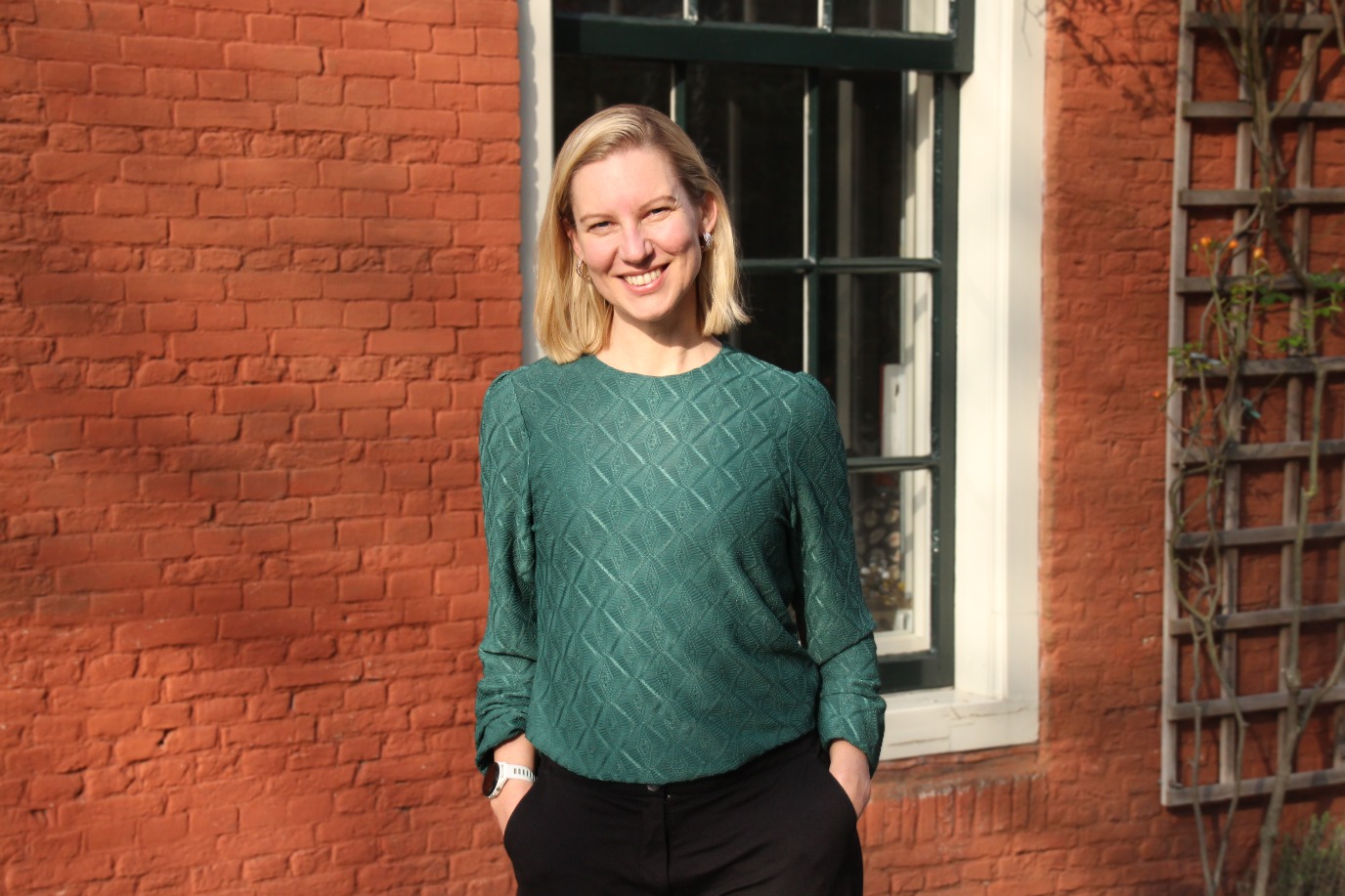
Carolien Stolte is Associate Professor at the Leiden Institute for History, specializing in modern global history with a regional focus on South Asia. She designed and directs the International Coalitions for Peace in the Era of Decolonization project, funded by the European (ERC) and Dutch (NWO) Research Councils during 2024-2029. Her own research is situated at the intersection of global, international, and South Asian history. Trained as both a historian and a South Asianist, she is particularly interested in how ideas travel to and from India. Her first book examined the traffic of religious ideas, specifically the production of knowledge on Hinduism in the Dutch Republic. Her further work has focused on histories of (Pan)Asianism, Afro-Asianism and other internationalist political formations from the late nineteenth century up to the present.
About Carolien Stolte’s research during her NWIB Visiting Professorship 2026 at KNIR
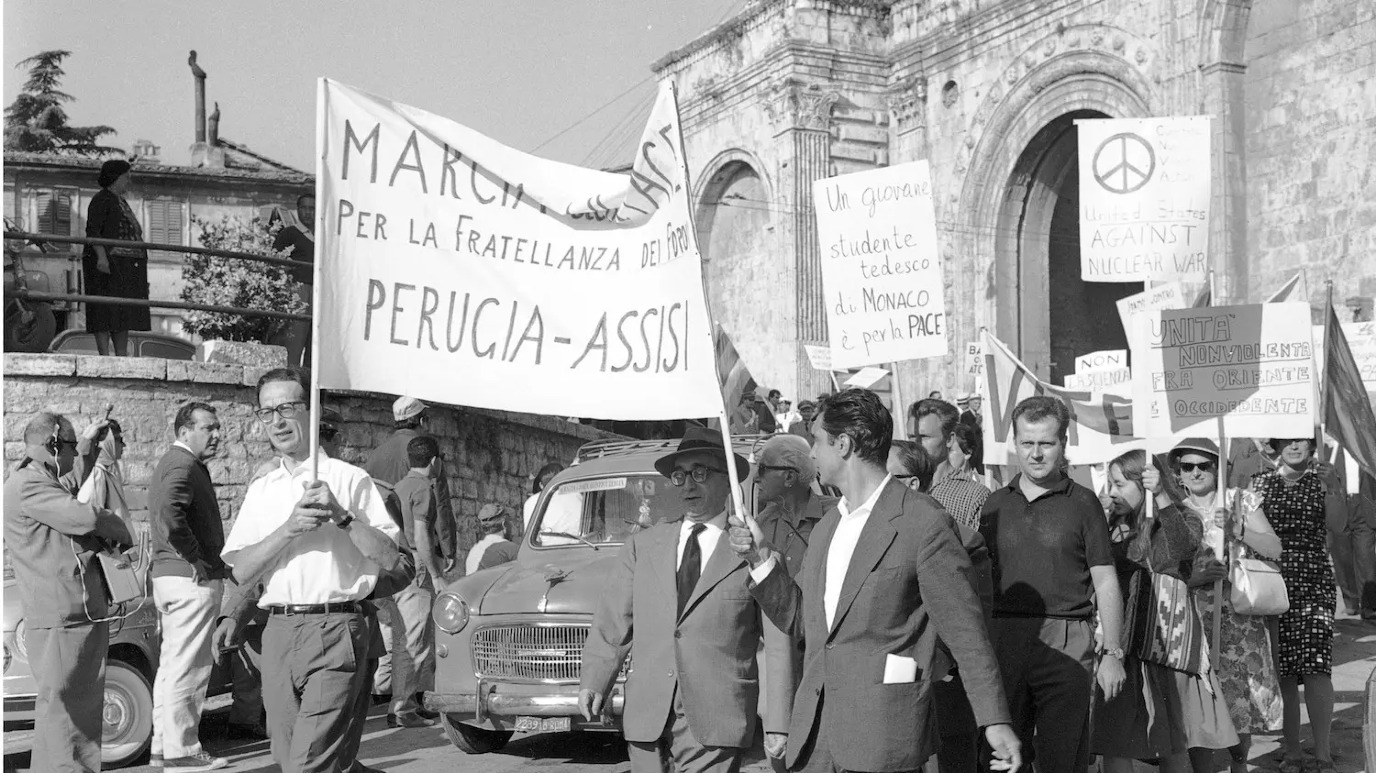
From the First World War until the height of the Cold War, activists from the decolonizing world sought to build connections with international peace movements, creating new networks and practices of solidarity while also exposing tensions over the centrality of decolonization in global struggles for peace. Anti-nuclear movements globalized as concerns over nuclear imperialism and fears of atomic annihilation rose to prominence, spreading far beyond national borders and transcending allegiances to Cold War blocs. At the same time, such new coalitions also experienced moments of friction around the question of (potential) violence in decolonization struggles. Simply put, was the pursuit of sovereignty a prerequisite for world peace, or did the pursuit of world peace supersede the struggle for sovereignty?
In our larger research project, we ask how international peace movements – broadly conceived – navigated colonialism and decolonization. More specifically, we ask how international peace organizations navigated the inclusion of groups from the decolonizing world, who often had different understandings of peace and peace work that drew from intellectual and religious traditions that were not easily legible to organizations rooted in European pacifist traditions. We want to know how different views of peace interacted, collided, and changed in global encounters. But just as important is the question: what does “decolonization” mean in this context, in terms of the necessary political, economic and social conditions for a “positive peace” to exist? This conversation really has not been given its proper due in historiography, especially from the perspective of peace advocates from the decolonizing world.
Italian peace advocacy provides an especially productive lens through which to answer such questions. Italy’s long-standing networks of religiously inflected peace organizations on the one hand, and the prominence of the Italian Left in organizations like the World Peace Council on the other, made for a diverse landscape in which a broad spectrum of traditions of peace advocacy co-existed, overlapped, and occasionally diverged. As part of the visiting professorship at KNIR, Carolien will convene a workshop together with Daniele Paolini, also from Leiden University, entitled “Trame di Pace: Italian Peace Advocacy and the Decolonizing World”. On 26 May 2026, we will bring together scholars from different Italian universities who work on this theme. Carolien’s own paper for this workshop, which she will be developing while in Rome, focuses on the peace thought and action of “Italian Gandhian” Lanza del Vasto.
More news
-
-
03 September 2026
Ming Cao reappointed as scientific director of the Jantina Tammes School
-
01 September 2026
Evrim Ursavas appointed scientific director Wubbo Ockels School