

Reaching new heights: news from the archaeological field school in Molise
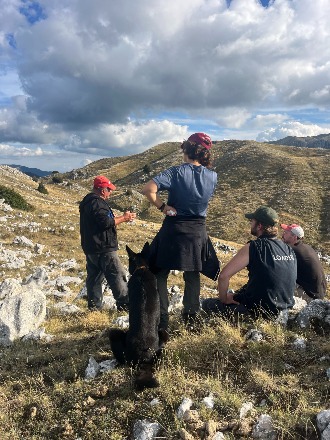
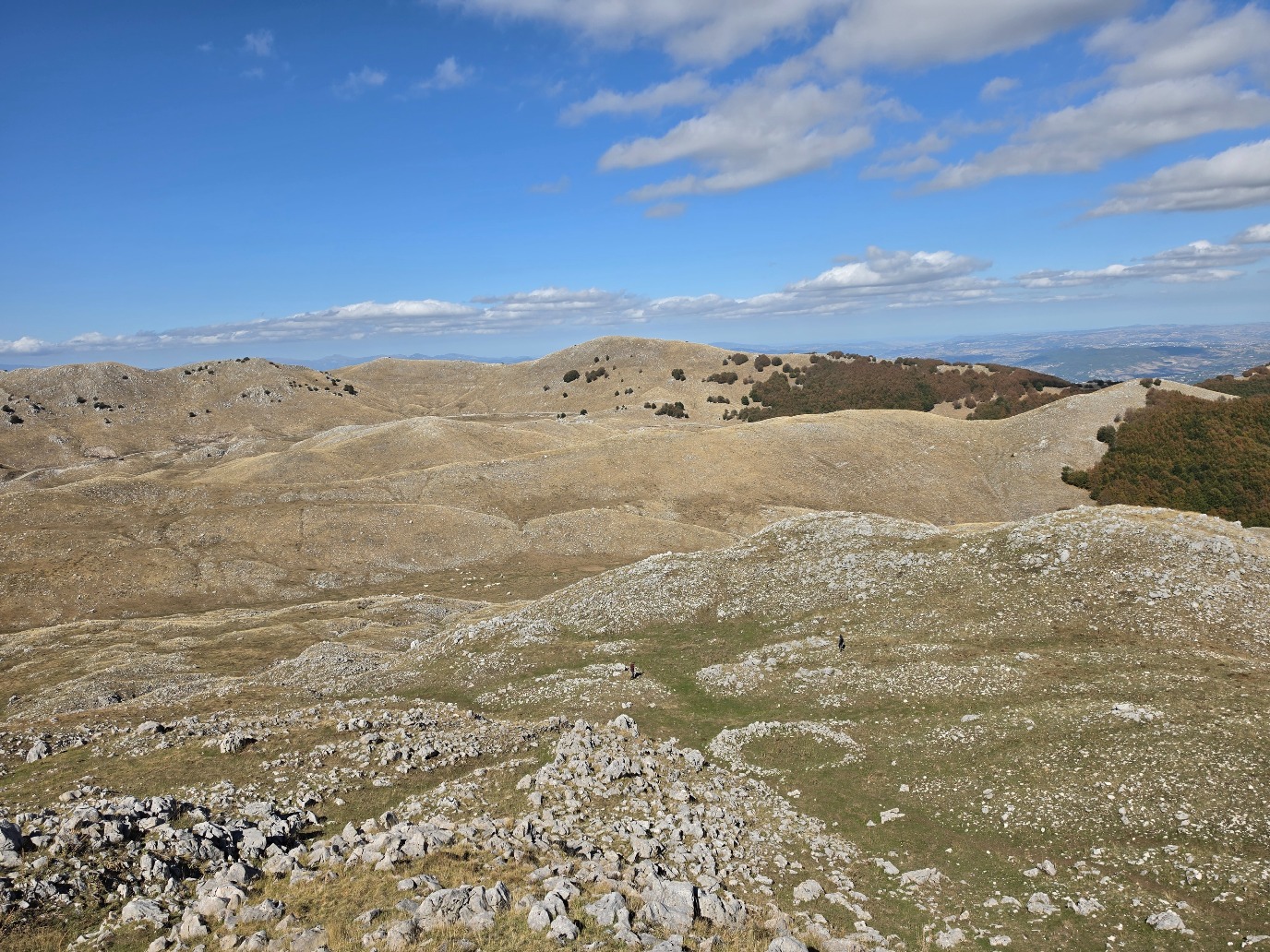
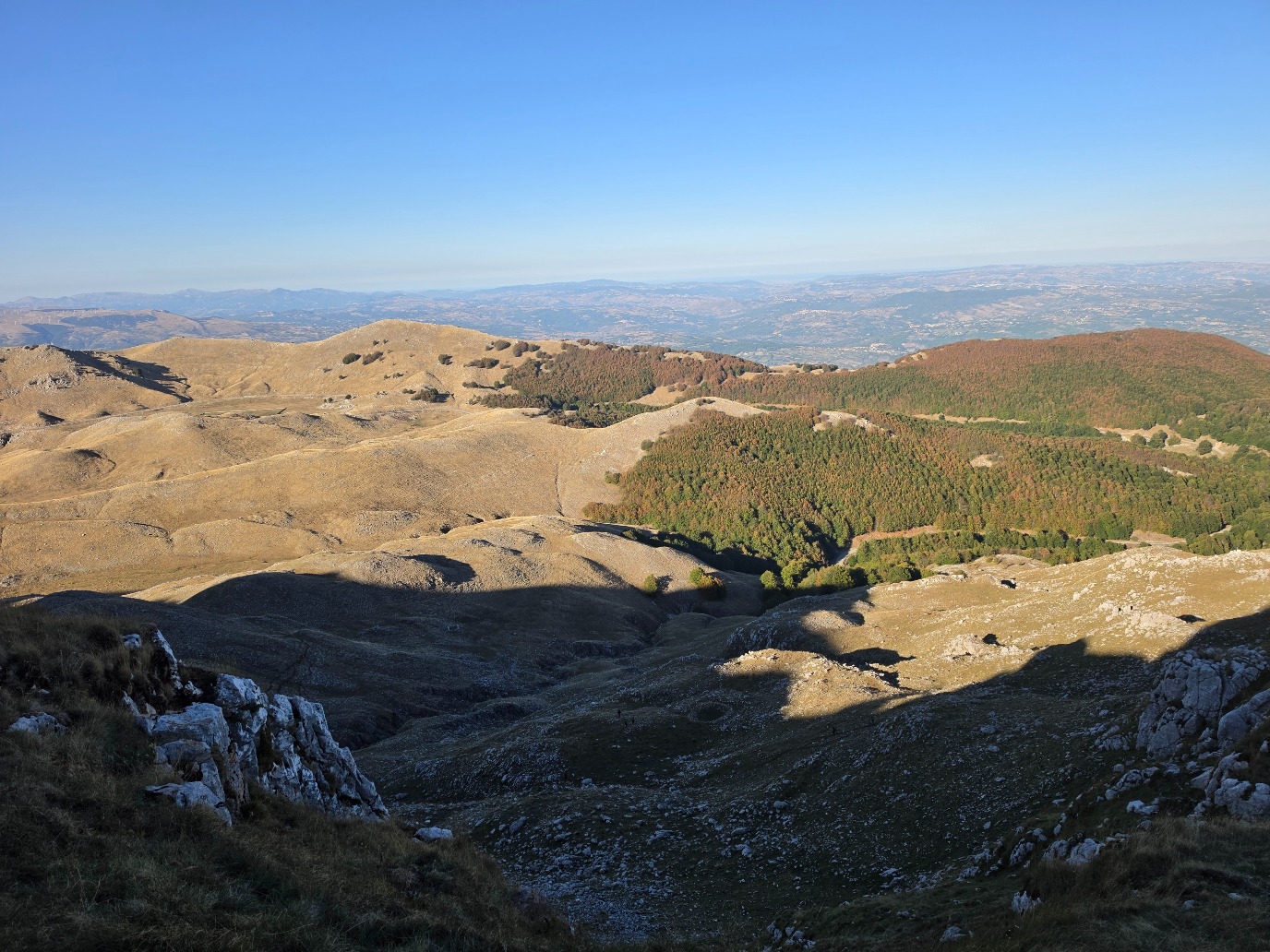
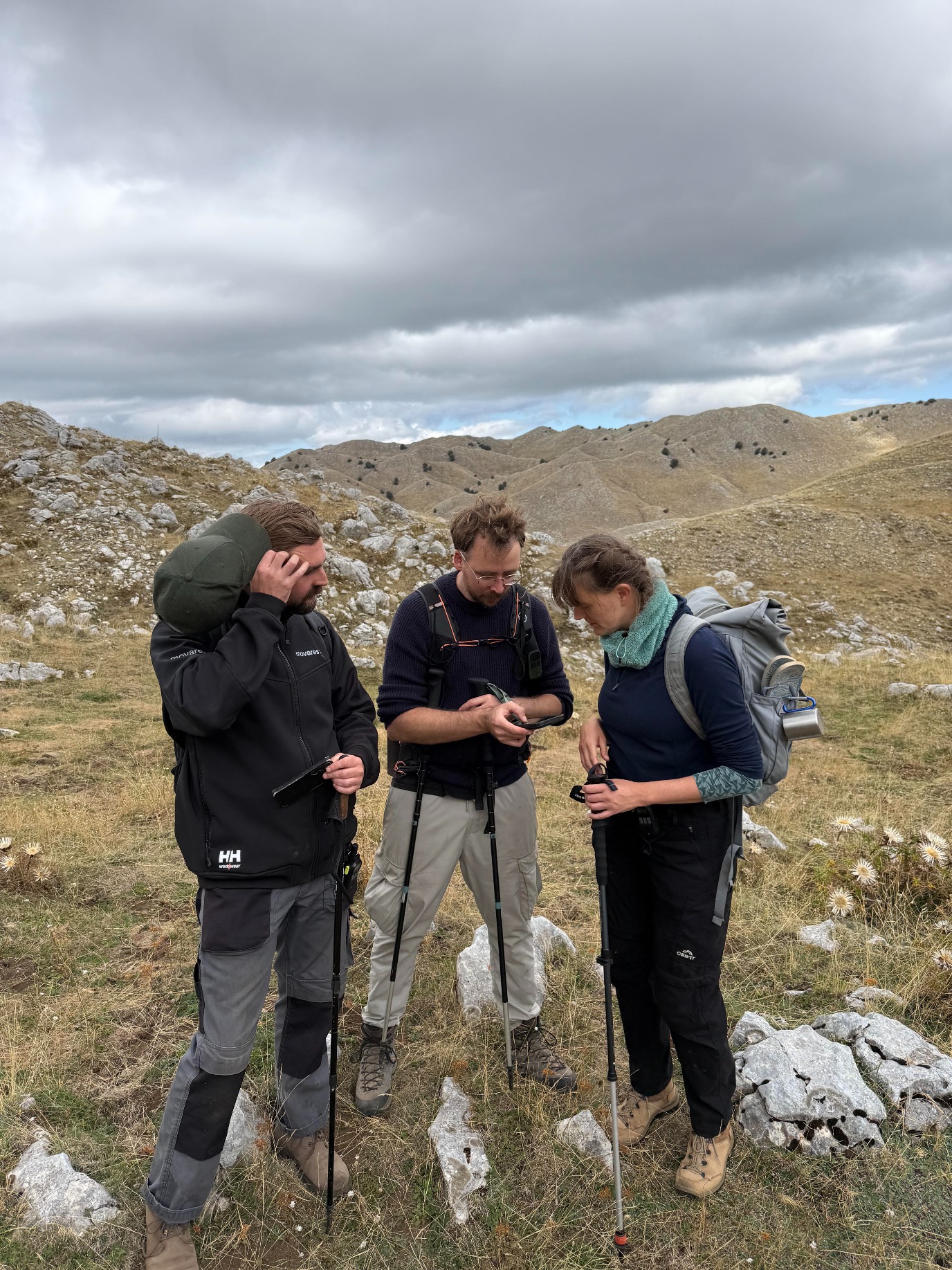
In recent weeks, students and researchers from KNIR are roaming the mountainous landscapes of Molise in search of archaeological traces in the remotest of places. After having established a baseline in the undulating foothills and lower mountains up to around 1000 m asl during previous fieldwork in the Tappino valley, this campaign reaches new heights by focusing on the Matese mountains. The team is investigating the landscape at altitudes between 1000 m and 2000 m, in an effort to understand how this area differed and potentially interacted with the lower lying regions. Largely above the tree line and in steep and uncultivated terrain, this mountainous landscape poses new methodological challenges for detecting archaeological sites, due to almost exclusively pastoral land use, continuous erosion, snow cover for part of the year and landslides.
The project is part of a longstanding and fruitful collaboration with the Soprintendenza Archeologia, Belle Arti e Paesaggio del Molise.
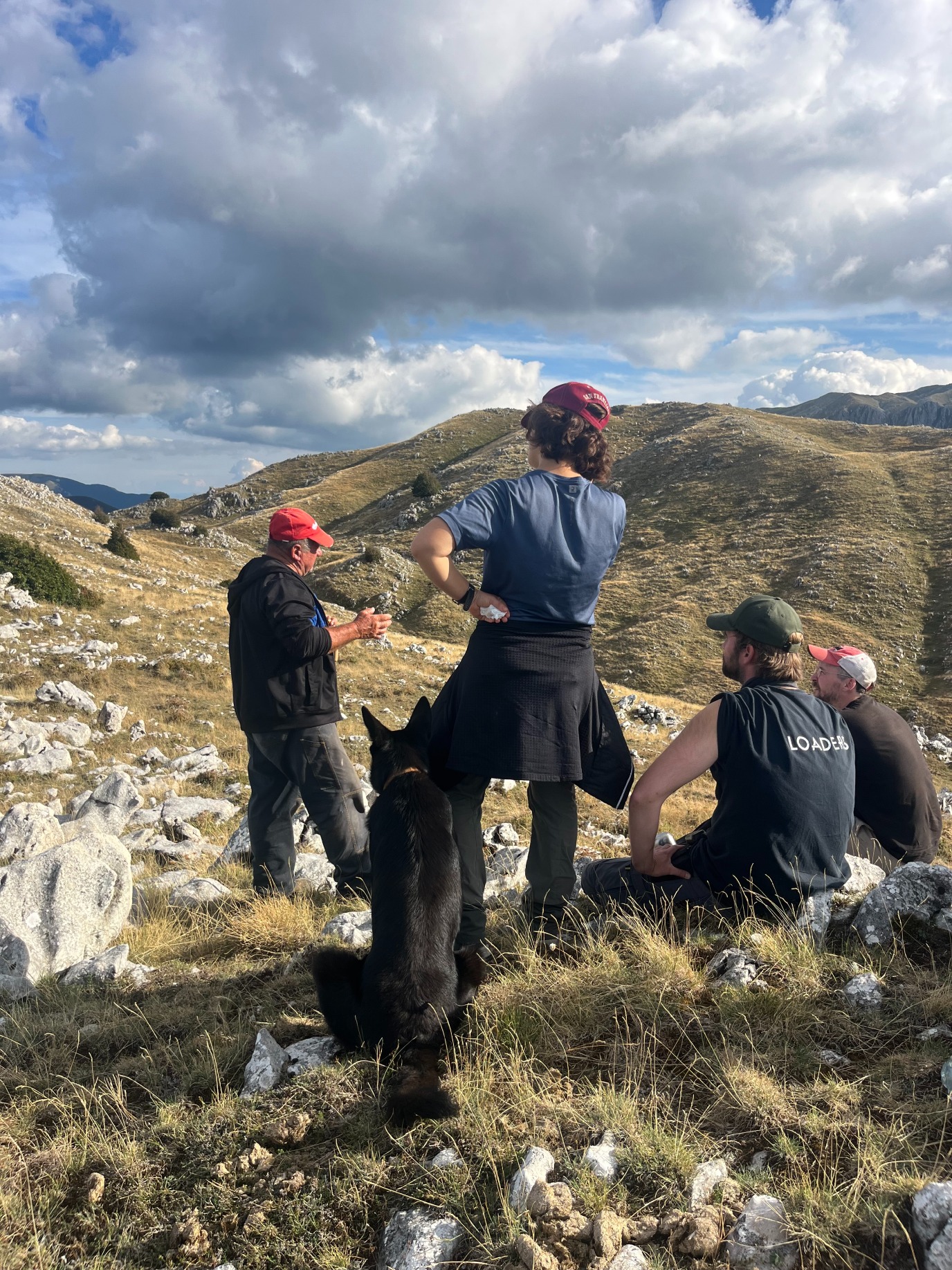
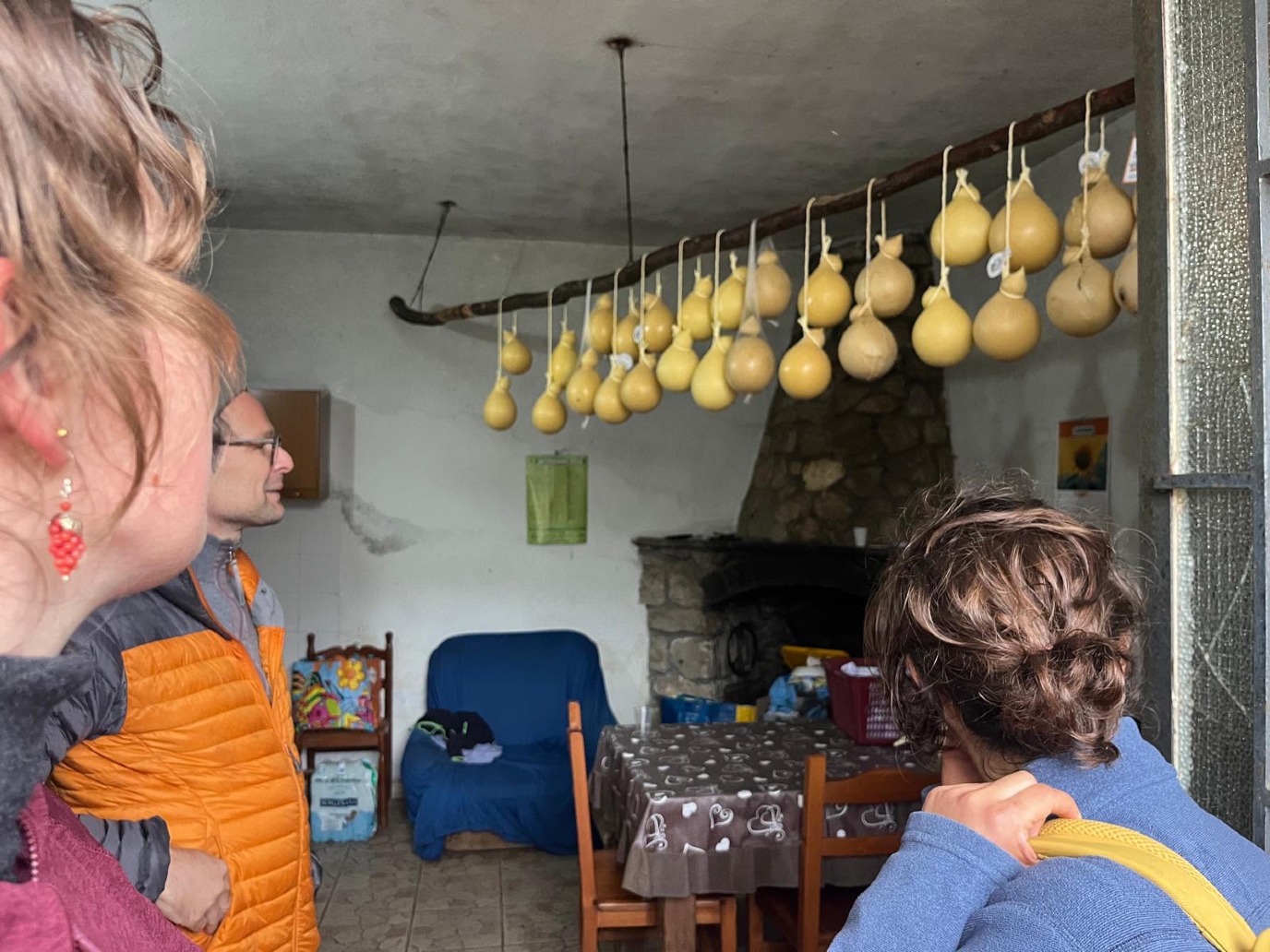
A combination of pedestrian surveys by teams of archaeologists and students, and aerial reconnaissance has already led to the discovery of a surprisingly high number of archaeological sites dating from prehistory, through antiquity, to the medieval period. Methods include the identification of lithic and pottery scatters, the use of multispectral and LiDAR-equipped drones to map subtle traces of archaeological structures hidden in the landscape, but also interviews with the few remaining shepherds working in the region. These shepherds, often remarkably talkative, have an urgent story to tell, as they are very aware of the impact of climate change on the mountain ecology, economy and social fabric, which has already led a majority of their colleagues to abandon the highlands. Their accounts emphasize the urgency to act swiftly with the documentation of archaeological remains, as increasingly dry summers and heavier rainfall accelerate erosion, and also to record their stories about pastoral life and mountain society, before they disappear.
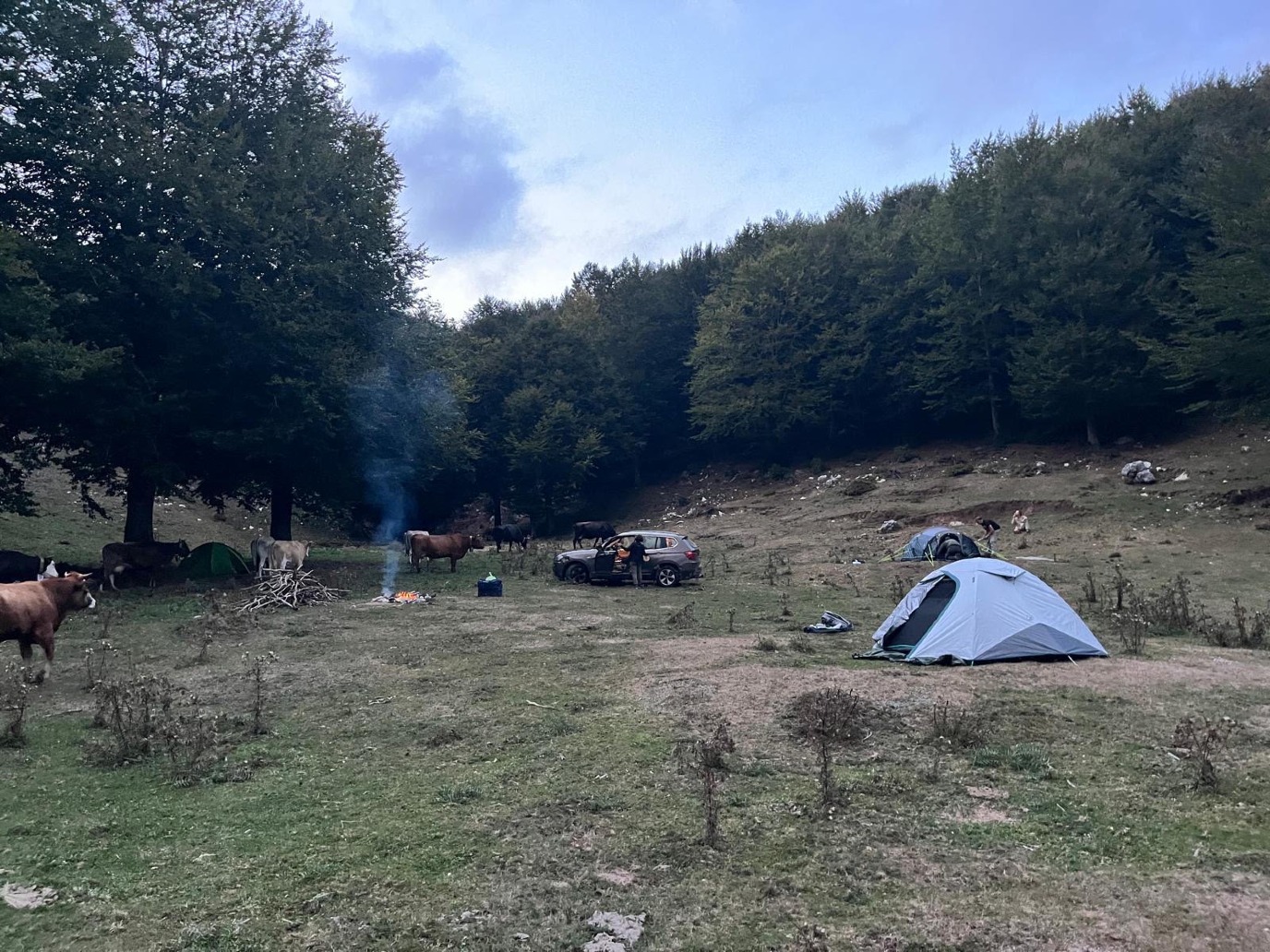
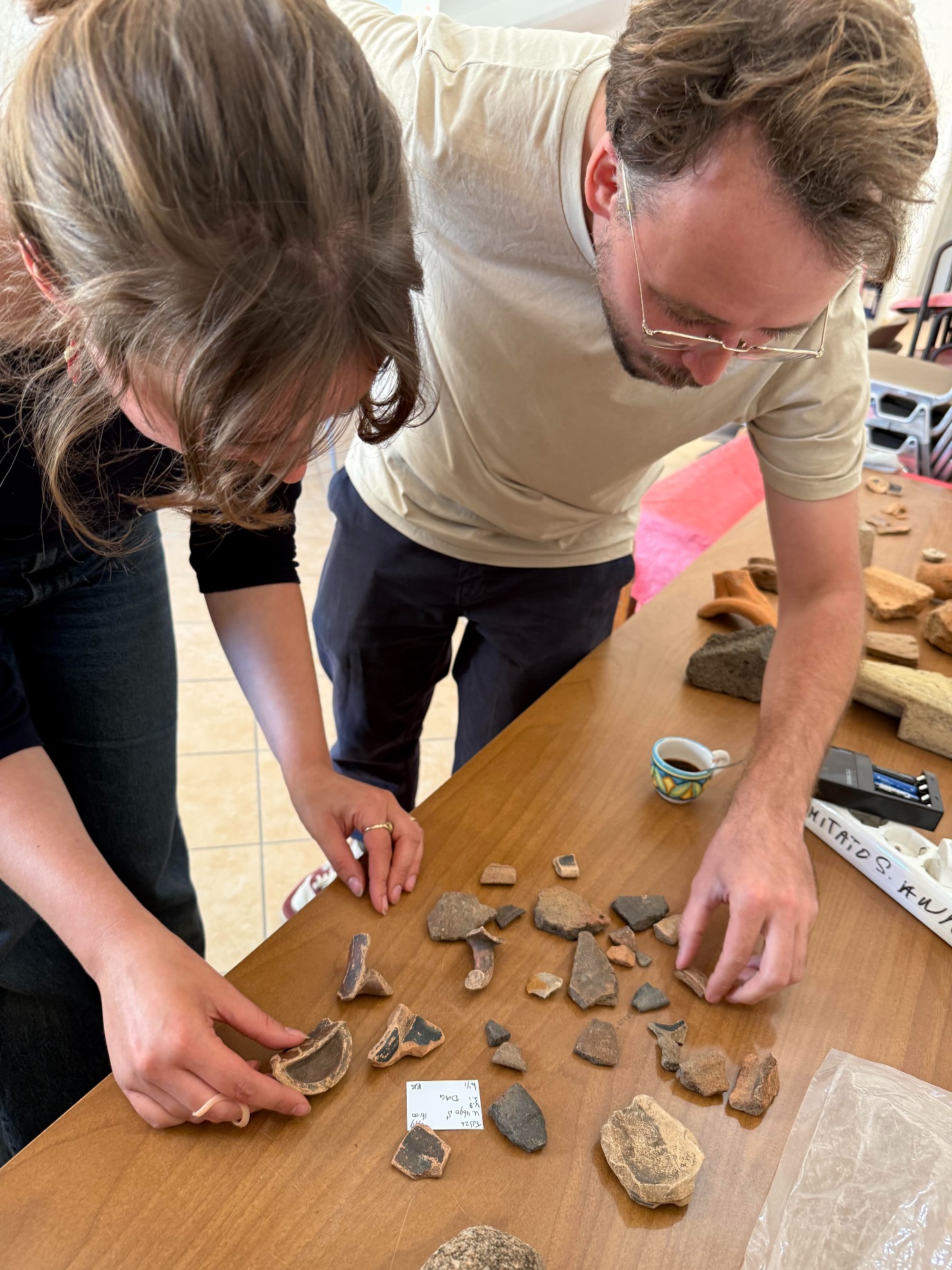
Students and staff from Italy, the Netherlands and elsewhere divide their time between studying the finds in the base camp at the CeDISA in the old convent of Jelsi, and a mountain camp, immersing the team in mountain life.
More news
-
19 October 2026
From research to business: RUG Ventures helps ideas move forward
-
-
03 September 2026
Ming Cao reappointed as scientific director of the Jantina Tammes School