

Dr Mario Panico
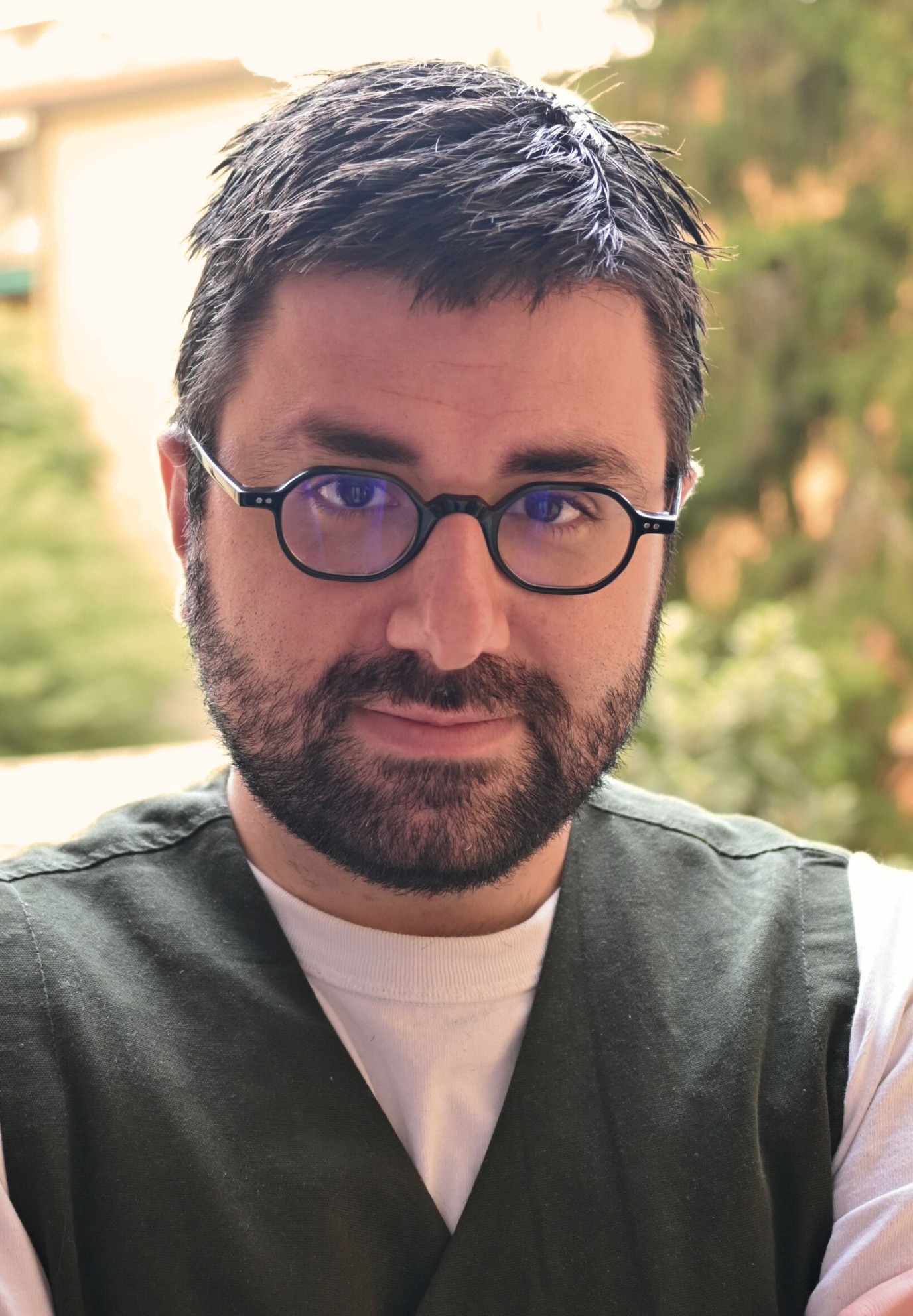
Mario Panico is a KNIR Fellow and a research fellow and adjunct lecturer in the Department of the Arts at the University of Bologna. He is a memory studies scholar whose research lies at the intersection of visual studies, semiotics, difficult heritage, and affect theory.
He is currently working on two research projects: the first explores the relationship between AI images, war imaginaries, cultural heritage, and emotions; the second examines the representation of genocide perpetrators in visual arts and trauma sites.
Prior to this appointment, he was a postdoctoral research fellow at the University of Amsterdam (2022-2025), where he taught heritage and memory theory. During his PhD at the University of Bologna, Panico studied the relationship between nostalgia, urban space, and museums, analysing how space can function as an “affective” tool to construct past temporalities in the present. This research culminated in his first book, Spaces for Nostalgia: Difficult Memories and Material Consolations (London: Palgrave Macmillan, 2024).
Over the past five years, he has published academic articles on cultural memory theory, semiotics and emotions, difficult heritage, and family memory dynamics.
He has also translated into Italian three articles by Marianne Hirsch on postmemory, now collected in the volume Rileggere Marianne Hirsch: Postmemoria e riscrittura del passato traumatico familiare (Il Mulino, 2024). This book presents in Italian, for the first time, three of Hirsch’s seminal texts on postmemory, one of them co-authored with Leo Spitzer. He is on the editorial boards of the scholarly journals Heritage, Memory and Conflict (HMC), Versus: Journal of Semiotic Studies (VS), Studi Culturali, and Perpetrator Studies Research (JPR).
Current research
Perpetrators’ Houses: Materiality and Memory of Uncanny Heritage
This project investigates how domestic spaces once belonging to perpetrators of genocide and crimes against humanity have – or have not – become sites of critical engagement with traumatic pasts. While memory and heritage studies have often focused on archives, testimonies, and monuments, this research project at KNIR shifts attention to the domestic sphere. Birthplaces and personal houses, such as those of Benito Mussolini, Adolf Hitler, and Joseph Stalin, belong to this category, as do residences near concentration camps, like Rudolf Höss’s house at Auschwitz. These sites highlight a stark tension: perpetrators were capable of horrendous crimes while also growing up and leading ordinary lives, much like anyone else. This heritage compels us to confront how systematic violence and ordinariness can coexist, while also raising ethical dilemmas for exhibition and commemoration, since such spaces risk humanising perpetrators or overshadowing narratives of violence. The project examines how narratives about perpetration are constructed through houses – both as museological and heritage devices (houses as narrative) and as reinterpreted through cinema, the visual arts, and documentary (houses in narrative).
The former analyses strategies of display, visitor experiences, and emotions within these spaces. The latter investigates visual devices to explore how domestic spaces and perpetrators are represented and shared in different cultural domains. This project will focus on two typologies of houses. The first includes residences near camps in the Netherlands (Westerbork), Germany (Ravensbrück and Sachsenhausen), and France (Natzweiler-Struthof), where atrocity coexisted with domestic normality. The second includes the birthplaces of dictators such as Mussolini (Predappio), Hitler (Braunau am Inn), and the childhood house of Goebbels (Rheydt). Through a comparative approach that combines visual, heritage, and memory studies, the project explores how the houses of perpetrators function as ambiguous memory objects: simultaneously ordinary and exceptional.