

Dr Laurie Kalb Cosmo
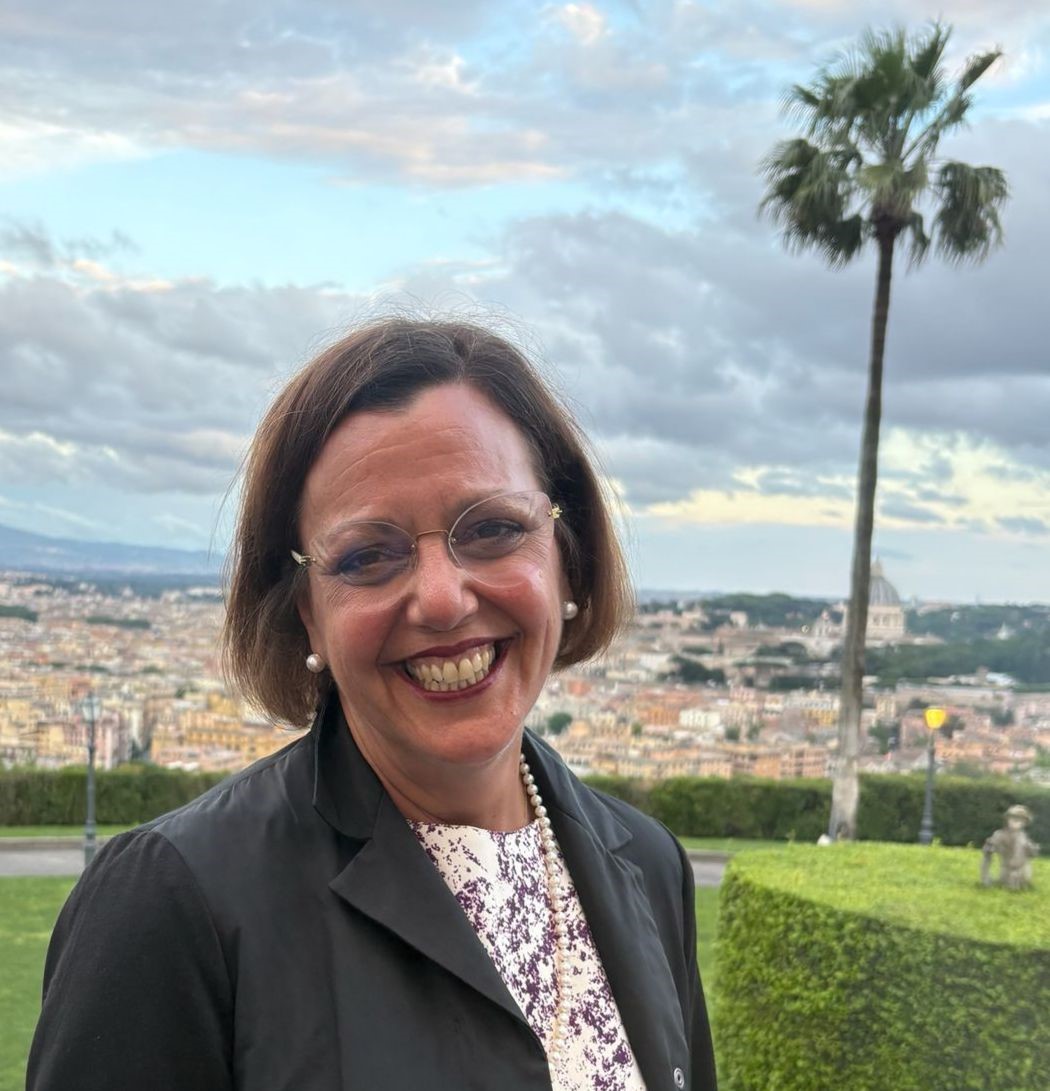
Legacies Now: Museums and their Institutional Inheritances
As KNIR Research Associate, I will be privileged to expand on two museum history projects conducted over the past few years. One is the KNIR Roman Museum Directors Dialogues series (2024-2025), organized during my KNIR Museum Fellowship, when five public lectures and conversations took place with Rome museum directors particularly engaged in institutional introspection. Participants Andrea Viliani of Museo della Civilta’, Francesco Stocchi of MAXXI, Francesca Cappelletti of Galleria Borghese, Olga Melasecchi of Museo Ebraico di Roma and Fabio Benzi of Casa-Museo di Giorgio de Chirico reflected on their institutions’ aesthetic and social responses to their foundational pasts and represented the vast and vibrant reach of western museum history in Rome. The other project - a three-day international conference at Leiden University (January 2026), titled "Legacies: Why Museum Histories Matter. A conference to explore the meaning of inheritance," reflected institutional histories across four continents and focused themes. With 36 presenters, four keynote speakers Dr. Carole Paul (University of Santa Barbara, California), Prof. dr. Emile Schrijver (Jewish Cultural Quarter and National Holocaust Museum Amsterdam), Monsignor dr. Timothy Verdon (Museo dell’Opera del Duomo, Florence), and Dr. Andrew McClellan (Tufts University, Boston USA), and introductions and museum tours by Leiden art historians and museum colleagues, the following questions were addressed: How do we navigate the idea of the museum as an inherited construct, within the context of its many debates? What is it about a museum's past that keeps us curious, and how does it inform what it does in the present?
As Research Associate at the KNIR, I will examine overlapping issues that emerged from the programmes above, focusing on audience, museum architecture, modernism, politics, and social and collecting histories. In consultation with colleagues, I will explore potential outcomes of these related programmes, by way of a publication and/or museum exhibition and catalogue. Simultaneously, I will pursue additional case studies of Italian museums with significant foundational legacies (i.e., Fascist-era museums begun under Mussolini, public institutions formed from individual private collections), and further explore how legacy is defined within the Italian context and the international examples put forth in the conference papers.
Legacies Now will primarily inform my Associateship with the KNIR, but I will also make use of the KNIR library for any requested editorial needs related to a forthcoming volume I am co-editing with Dr. Mary Bouquet (formerly Utrecht University), titled Benchmarks of Modernity: The Emergence of Museums of Modern Art in the 1930s Netherlands (Berghahn Press).