Page content
Section menu
Main menu
Associative links
Page content:
English | Nederlands

Is it OK...? Debate!


Multiplayer Debate Exhibit!

Is it OK... to clone my dog?

Is it OK... to eat genetically modified food?

Would you... like to know what it’s like to be a cyborg?

Natural science is not only the domain of scientists, it also pays an important role in our everyday life. Advanced medicines cure diseases that were lethal in another age, and who can do without a mobile phone or computer? However, natural science also leads to new problems and dilemmas.

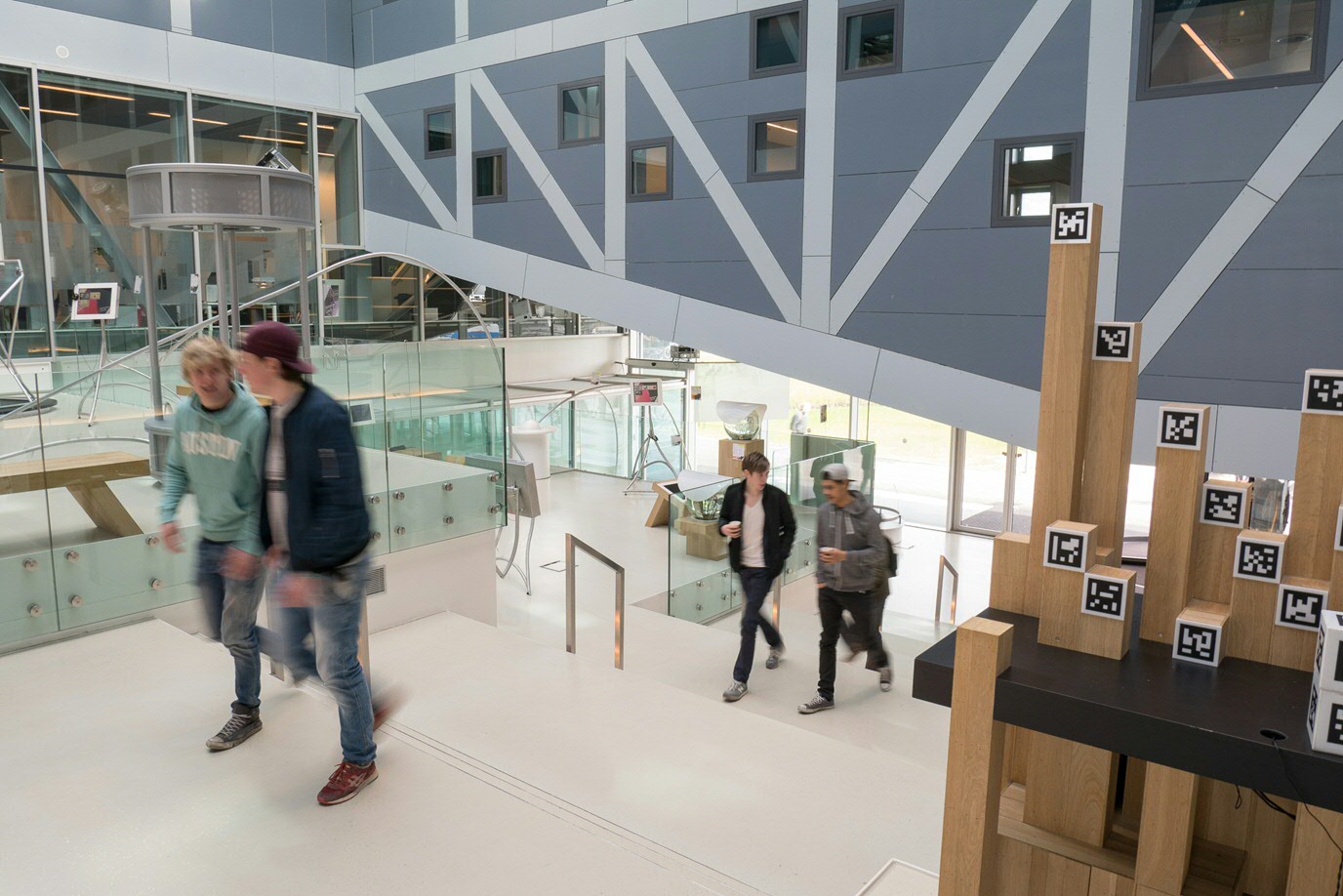
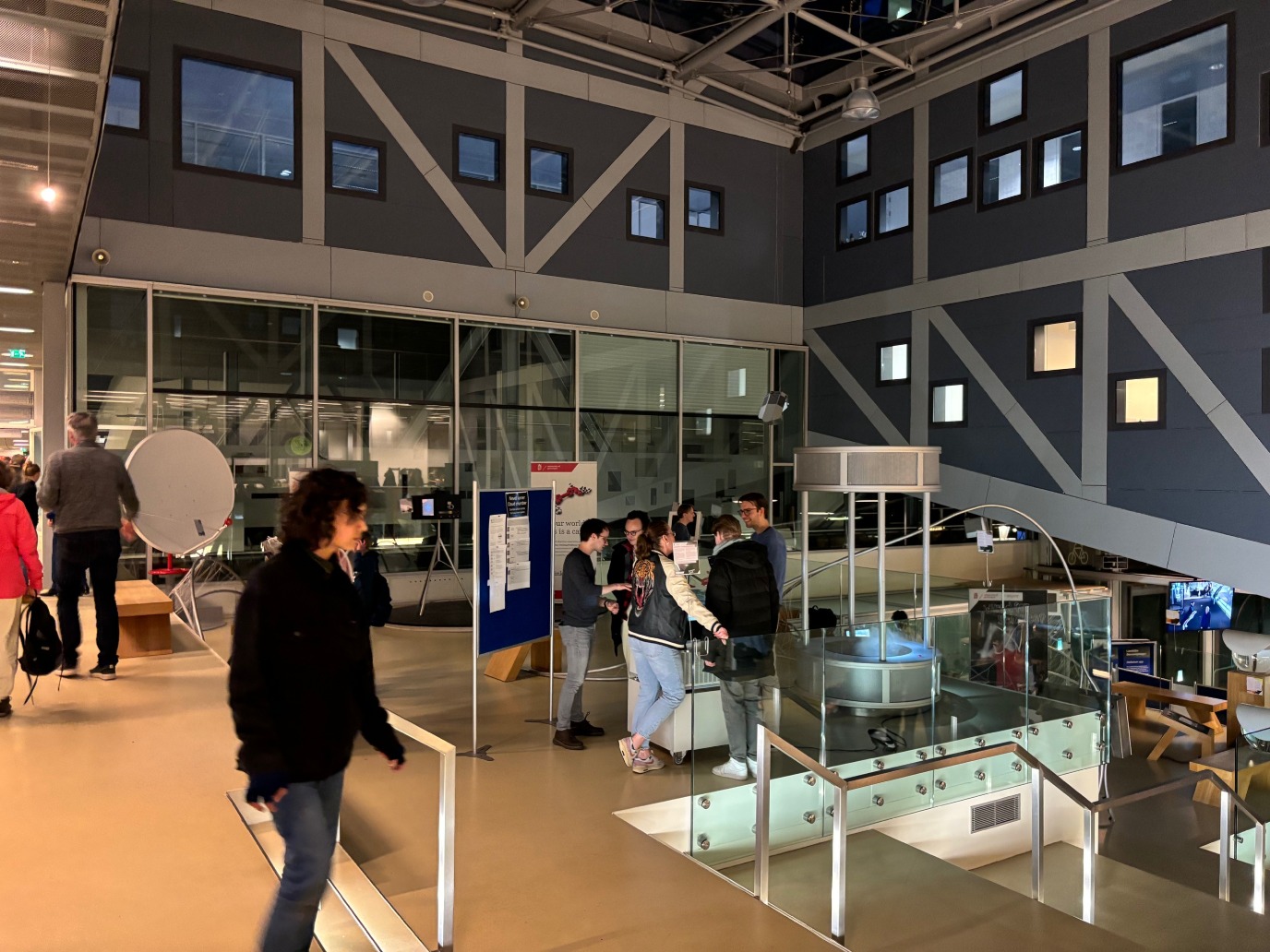
Debate on sensitive issues relating to the environment, technology and society at the Science LinX exhibition. ©Brechje Hollaardt.

Natural science raises questions about what is possible and what is ethical, and about the sanctity of life. Take, for example, the genetic adaptation of humans using gene therapy, or improving memory capacity by inserting a computer chip in your brain – it would make studying for an exam a cinch; but imagine if you got a virus! The line between healing and improving as opposed to ‘upgrading’ will likely be crossed when such applications become reality. But could they become reality? Which developments do we want and which ones do we want to prevent? And which risks will we accept?

Where is the line between healing and improving? Is a computer chip inserted in your brain a good thing for forgetful types, or a quick way to study for an exam? ©GNU Free Documentation.

At the Science & Society Group (SSG) of the Faculty of Mathematics and Natural Sciences, Sjaak Swart is tackling the issues that arise where science and society intersect. One theme he is studying is animal testing for science.

“Is that OK, Sjaak?” “Yes, it’s OK; as long as certain conditions are met. A test on an animal must serve a purpose, for example, or contribute to our knowledge. Moreover, as a researcher you are required to investigate whether an alternative is available before you test on an animal. And finally, you must put your plans before a commission before you can start. So it is OK, but only within certain limitations.”

Sjaak Swart of FWN’s Science & Society Group studies the issue of animal testing for science. ©Wikimedia Commons.

Sjaak Swart studies a wide variety of themes, for example how to make nature conservation compatible with the interests and concerns of people. Or the increasing popularity of functional foods, which are products with added nutritional value. Where do we draw the line between food and medicine?

The Science & Society Group are not the only people involved with sensitive scientific themes, the Faculty’s Science Shop is too. The researchers there answer questions from interest groups, community organizations and foundations. For example, at the request of a health and environment platform, they are presently studying how social organizations can participate in the debate on nanotechnology. “This is a far-reaching field of research, in which much is being invested,” explains researcher Henk Mulder. He is studying people’s behaviour in the face of risk.

The Science Shop answers the questions of interest groups, community organizations and foundations on the theme of science, technology and their impact on society. ©Eric Gevaert.

“This could eventually lead us to new types of solar panels, faster computers, targeted medicines, etc. However, many of these promising developments are still far from being realized. But is there any point in debating the pros and cons of developments that are presently confined only to laboratories? Or must we in fact discuss these issues now, for fear that it will otherwise be too late? And will this debate only concern the potential health risks of nano particles? Or are there wider ethical issues? How far can we go in the research and application of nanotechnology if we don’t know all the potential drawbacks?

No problems with research on sustainable energy. But can you resort to animal testing for research that might never result in a new medicine? ©Tebenkova Svetlana.

You can discuss such themes at the Science LinX Debate! exhibit. By reacting to the different statements you will get to know yourself, and at the same find out which vision of science and technology suits you best. Disagree? Debate it with your opponents! You can also compare your vision with that of other Science LinX visitors and University of Groningen researchers.

In short, it’s all about how much risk we are prepared to take to achieve which progress and who we think should take the decisions. You’ll find out how much risk you are prepared to take in the Debate! Where do you draw the line? Can’t wait until you visit the Science LinX exhibition? No problem! You can participate in the virtual Science Debate on this site, always online via the microphone icon in the top-right corner.

Get to know yourself at the Science LinX Debate exhibit. Where do you draw the line between useful technology and turning humans into cyborgs? ©Brechje Hollaardt.

Links

Acknowledgements

Special thanks to: Renske de Jonge, Dr Sjaak Swart, Dr Henk Mulder, Martijn Herber, Bioclear, Aleida de Vos and Shakiti Lieten. Please contact Science LinX if you should have been included in the acknowledgements.

Author

Renske de Jonge

Debate on sensitive issues relating to the environment, technology and society at the Science LinX exhibition. ©ARTSILENCEcom.
Last modified:May 23, 2012 13:36
Associative links:
 
Current section:

Science & Society