

The UG DCC at the National Research Software Day 2025
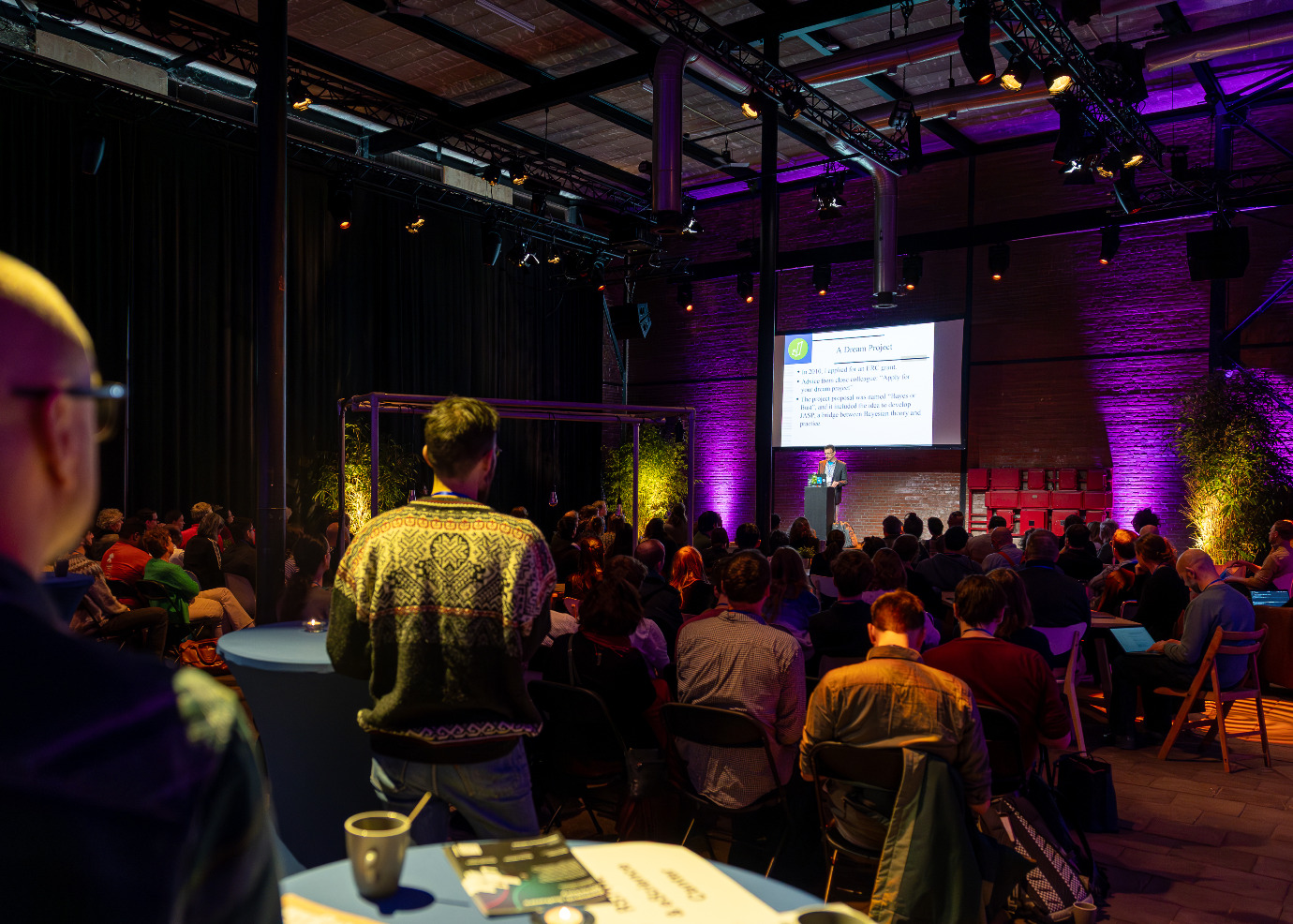
What does the future of research software in the Netherlands look like? At the second National Research Software Day, researchers, research software engineers (RSEs), and support experts came together in Delft to exchange ideas, share challenges, and explore new ways to strengthen the national software ecosystem.
The second National Research Software Day, held on 25 November 2025, was hosted by TU Delft and organised in collaboration with NL-RSE, Open Science NL and LCDRM. The event highlighted popular technologies and topics in research software development, maintenance strategies and open-source collaboration, as well as training and community news.

Keynotes
The programme featured two keynotes. The first one was about the development journey of the open-source statistical software platform JASP, presented by Prof. Eric-Jan Wagenmakers. In the second keynote, Dr Connie Clare explored the future of the Netherlands Research Software Engineer community (NL-RSE), drawing on her experience in global community development to reflect on what kind of community we want to build together.
Parallel sessions
Three parallel sessions had the themes Technical Demos, Research Software Training and Making a Case for Research Software. Some notable sessions were 'Making Reproducibility Happen with CODECHECK', 'Streaming scientific software by EESSI way', 'Literate Programming using Entangled' and 'CI/CD for Research Software Development'. Fenni Riemslagh from the eScience Centre earned €2,000 prize to develop a new training activity—an investment that further reinforces national capacity building in research software skills.
UG DCC contribution
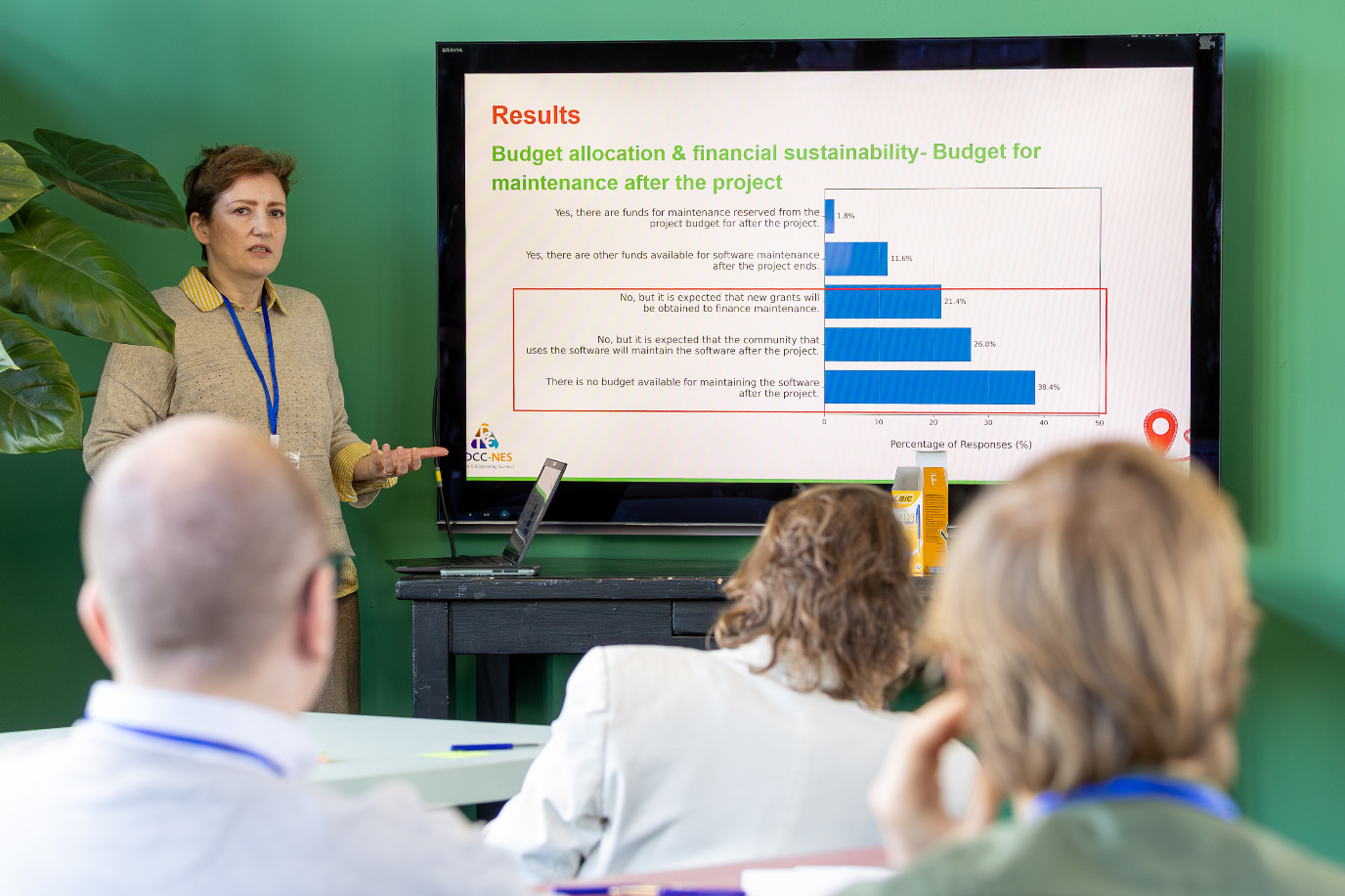
The University of Groningen’s Digital Competence Centre (DCC) contributed through a presentation by Burcu Beygu Koopmans about the TDCC-NES bottleneck project, Financing Sustainable Research Software. The talk presented project findings on how research software is developed, maintained, recognised, and funded across Dutch institutions. It highlighted persistent structural gaps in maintenance budgets, the invisibility of software work in job descriptions, and the need for long-term financial and organisational models that align with the essential role of software in scientific research.
More news
-
-
03 September 2026
Ming Cao reappointed as scientific director of the Jantina Tammes School
-
01 September 2026
Evrim Ursavas appointed scientific director Wubbo Ockels School