
Botanie
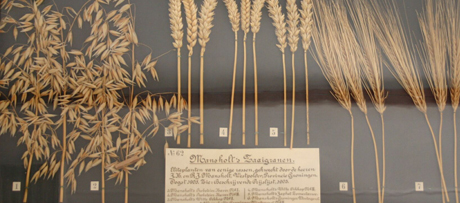
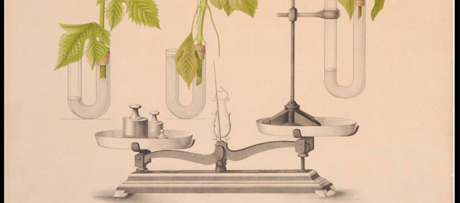
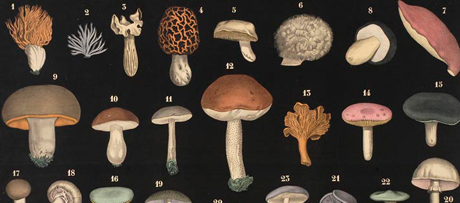
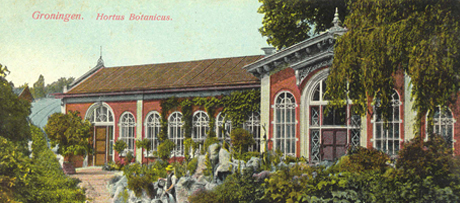
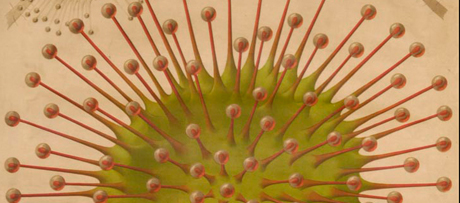
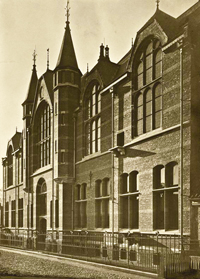
Het Botanisch Museum werd in 1870 opgericht. In de eerste plaats was het museum bedoeld voor het onderwijs, maar buitenstaanders konden er ook terecht. Tot de jaren tachtig van de vorige eeuw heeft het museum gefunctioneerd voor studenten.
Als gevolg van de opheffing van de afdeling Plantensystematiek raakte het echter in onbruik en is het beheer van de collectie in handen gekomen van het universiteitsmuseum. Alleen de afdeling Archeologie maakt hedentendage nog gebruik van de collectie als hulp bij determinatie.
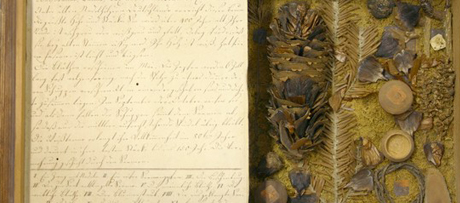
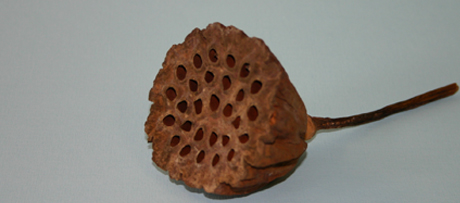
De collectie bestaat uit 2500 eenheden: gedroogde vruchten en zaden, bloemen en paddestoelen geconserveerd in alcohol, fossielen met afdrukken van planten en botanische modellen. Ze zijn op veldexcursies verzameld, aangekocht of als geschenk verworven. Bijzonder zijn drie exemplaren van een xylotheek uit ca. 1810, een houtbiliotheek die ooit uit 150 exemplaren heeft bestaan.