Javascript must be enabled for the correct page display
Skip to Content
Skip to Navigation
Rijksuniversiteit Groningen
founded in 1614 - top 100 university
Sluiten
Menu en zoeken
Contact
My University
Student Portal
Nederlands
English
Zoekpagina
Zoeken
Zoeken
Zoeken
Home
Onderwijs
Onderwijs
Aanmelden, inschrijven en collegegeld
Bachelor
Master
Exchange
Promotietrajecten
Summer / Winter schools
Kennis en leren
Contact
Onderzoek
Onderzoek
Onderzoeksthema's
Onderzoekscentra en -instituten
Promotietrajecten
Vind onderzoek en wetenschappers
Podcasts
Onderzoeksvideo's
Open Science
Research Support Portal
Bibliotheek
Maatschappij/bedrijven
Maatschappij/bedrijven
Kennis en leren
Samen onderzoek doen
Jong talent
Schools voor Wetenschap & Samenleving
Alumni
Alumni
Alumnidag 2024
Voor alumni
Over alumni
Magazines en nieuwsbrieven
Steun onderzoek en onderwijs
Wijziging doorgeven
Contact
Nieuws
Magazine
Nieuws doorzoeken
Actueel
Over ons
Over ons
Actueel
Profiel
Beleid en strategie
Organisatie
Werken bij de RUG
Contact en praktische zaken
Zoeken
HOME
Onderwijs
Onderzoek
Maatschappij/bedrijven
Alumni
Nieuws
Over ons
Contact
My University
Student Portal
Nederlands
English
Lustrum 410: jij komt toch ook?
Open dagen
Kies je bachelor
Kies je master of PhD
Werken bij de RUG
Summer Schools
Podcast
Waarom Groningen?
Topkwaliteit onderwijs
Baanbrekend onderzoek
Bruisende studentenstad
Meer dan 120 nationaliteiten
Meer over studeren bij de RUG
Wetenschappers ontdekken grootste stellaire zwarte gat van de Melkweg
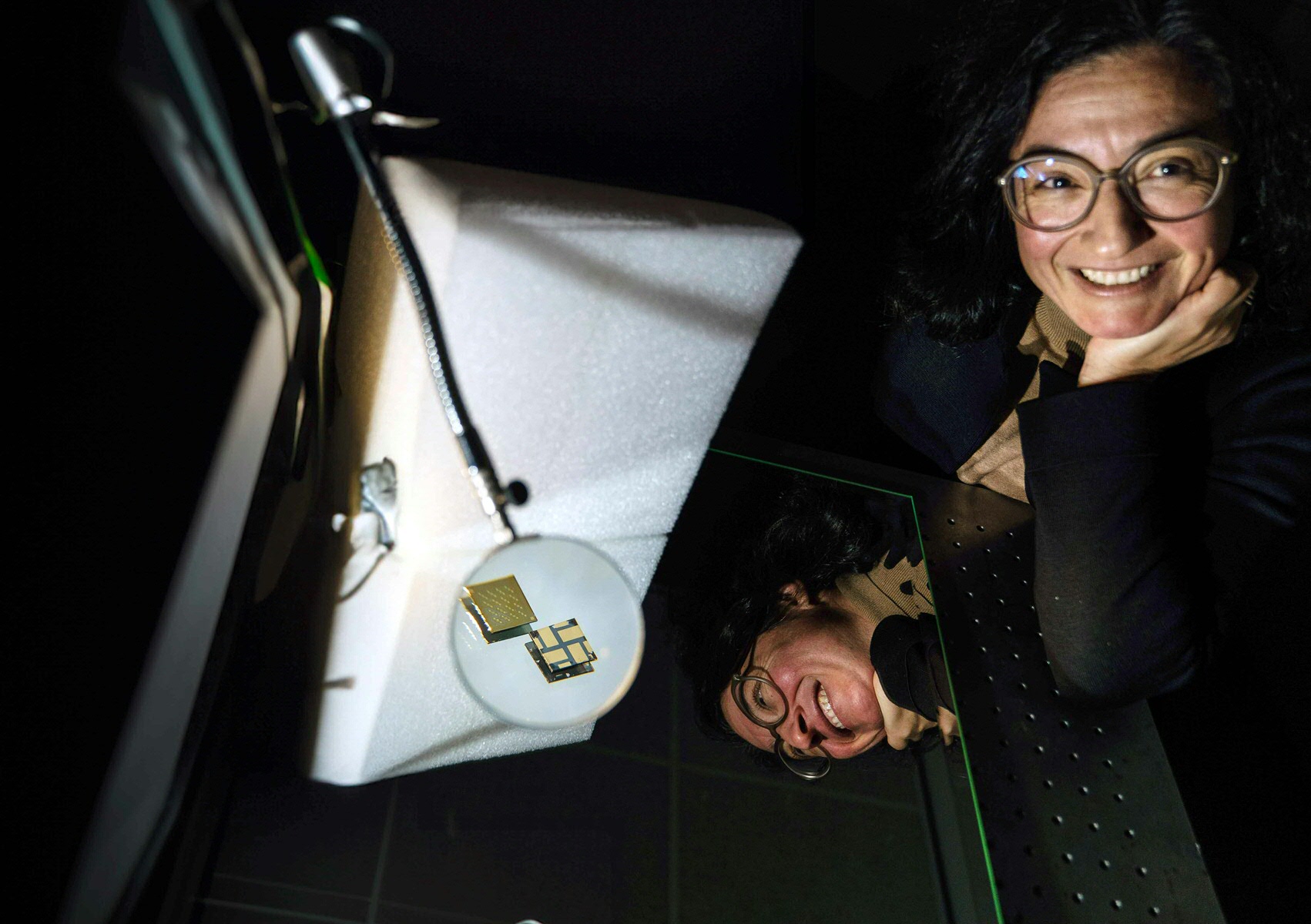
Makers van de RUG | Nachtzicht met kunstmatige atomen
Investeerders zien regio als risico
In de Wetenschap podcast - met Pablo Tittonell
'Universiteit met ambitie'
Werken bij de RUG
Research Support
Ruimte om te leren
Bibliotheek
Achtergronden en video's in ons magazine
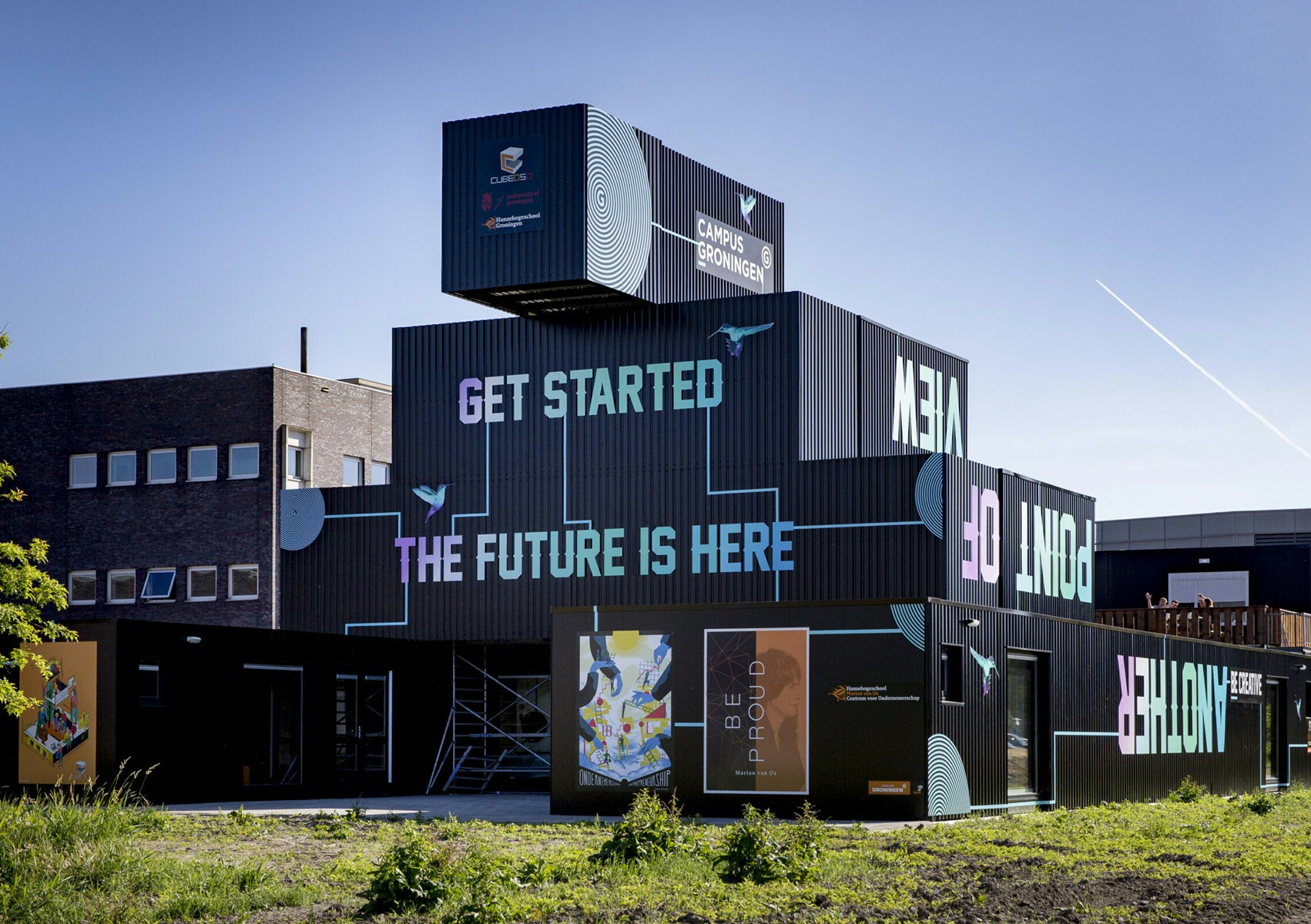
Op weg naar succesvolle startups
Nieuws en evenementen
Lees opinies van onze onderzoekers
Volg de RUG
facebook
twitter
linkedin
rss
instagram
youtube
Functioneel
Biedt de basisfuncties en maakt gebruik van geanonimiseerde cookies.
Standaard
Biedt de optimale werking en maakt gebruik van onder andere videocookies.
Volledig
Biedt gepersonaliserde content en maakt gebruik van marketingcookies.
Stel je cookievoorkeur in. Lees onze
privacy
en
cookie disclaimer
voor meer informatie.